Her Brush:
Japanese Artists of the Fong–Johnstone Collection
Denver Art Museum, 2022 –2023
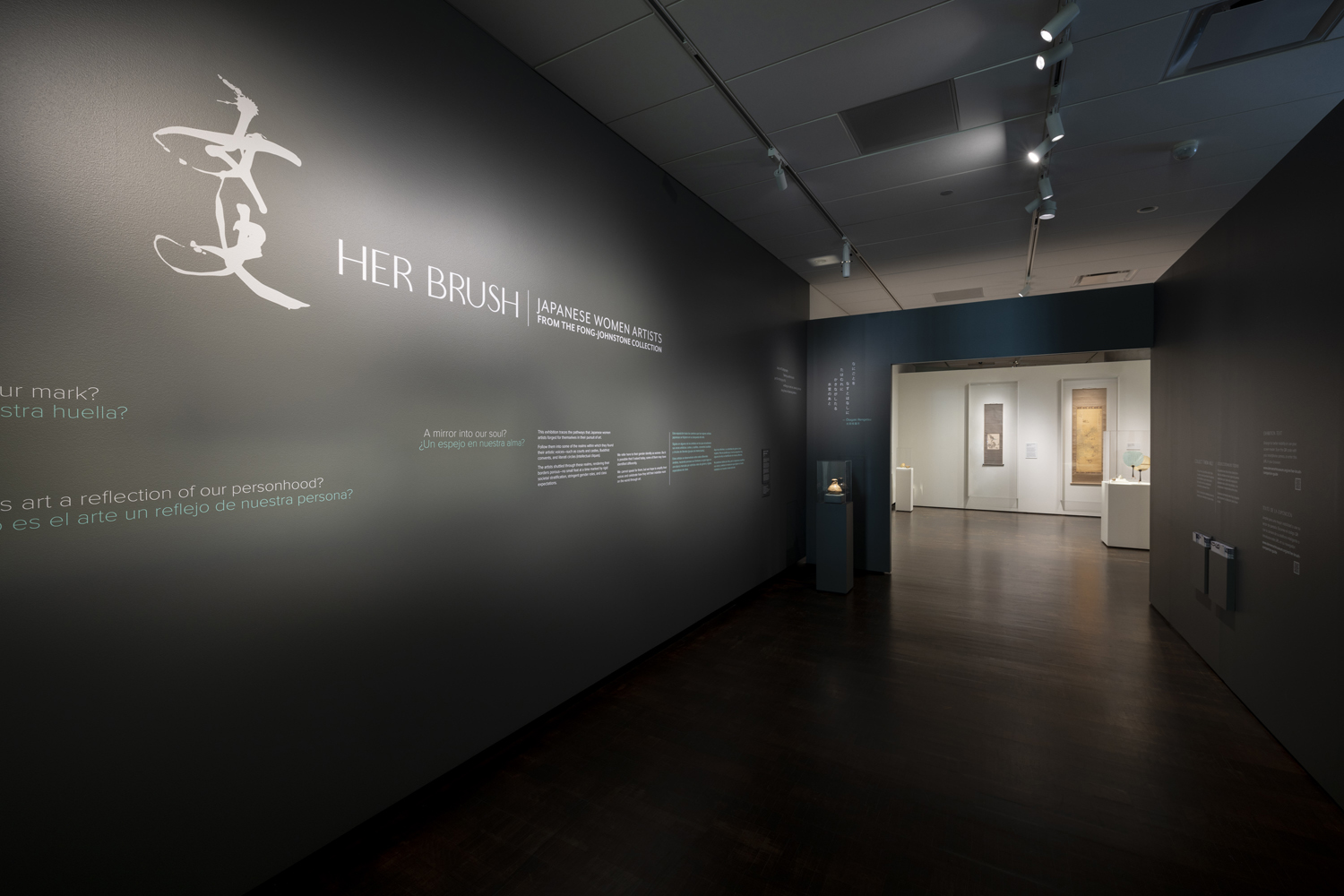
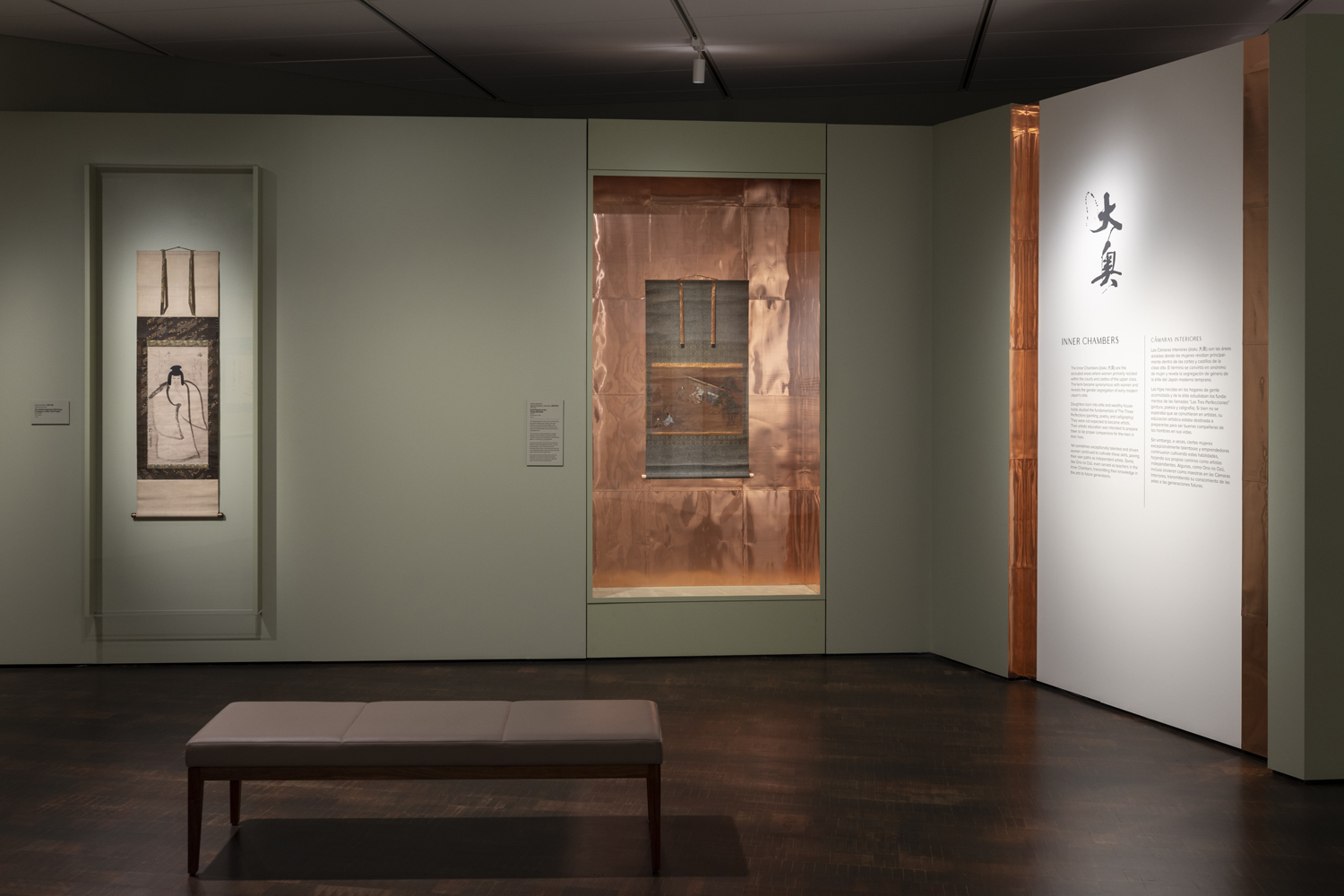
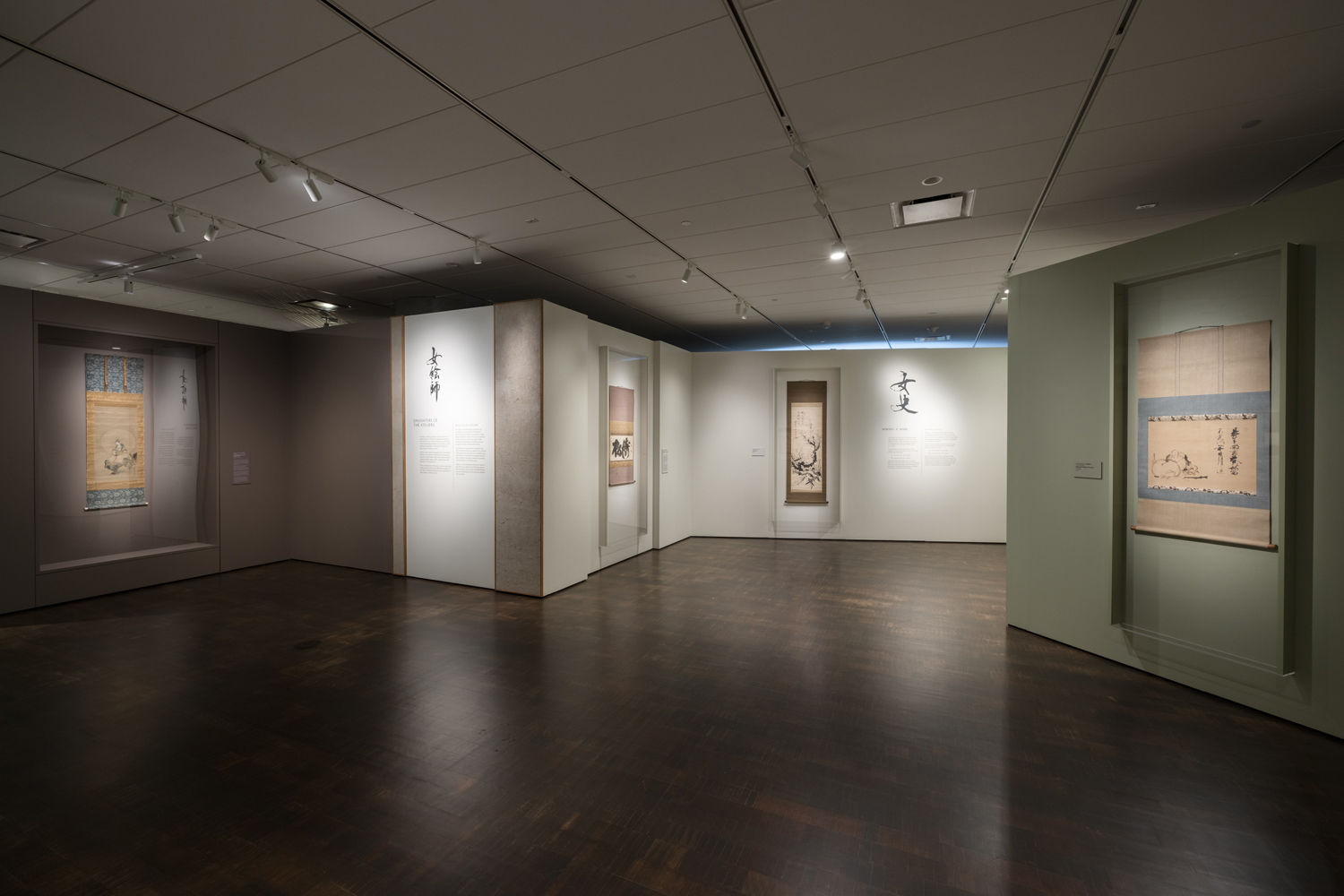
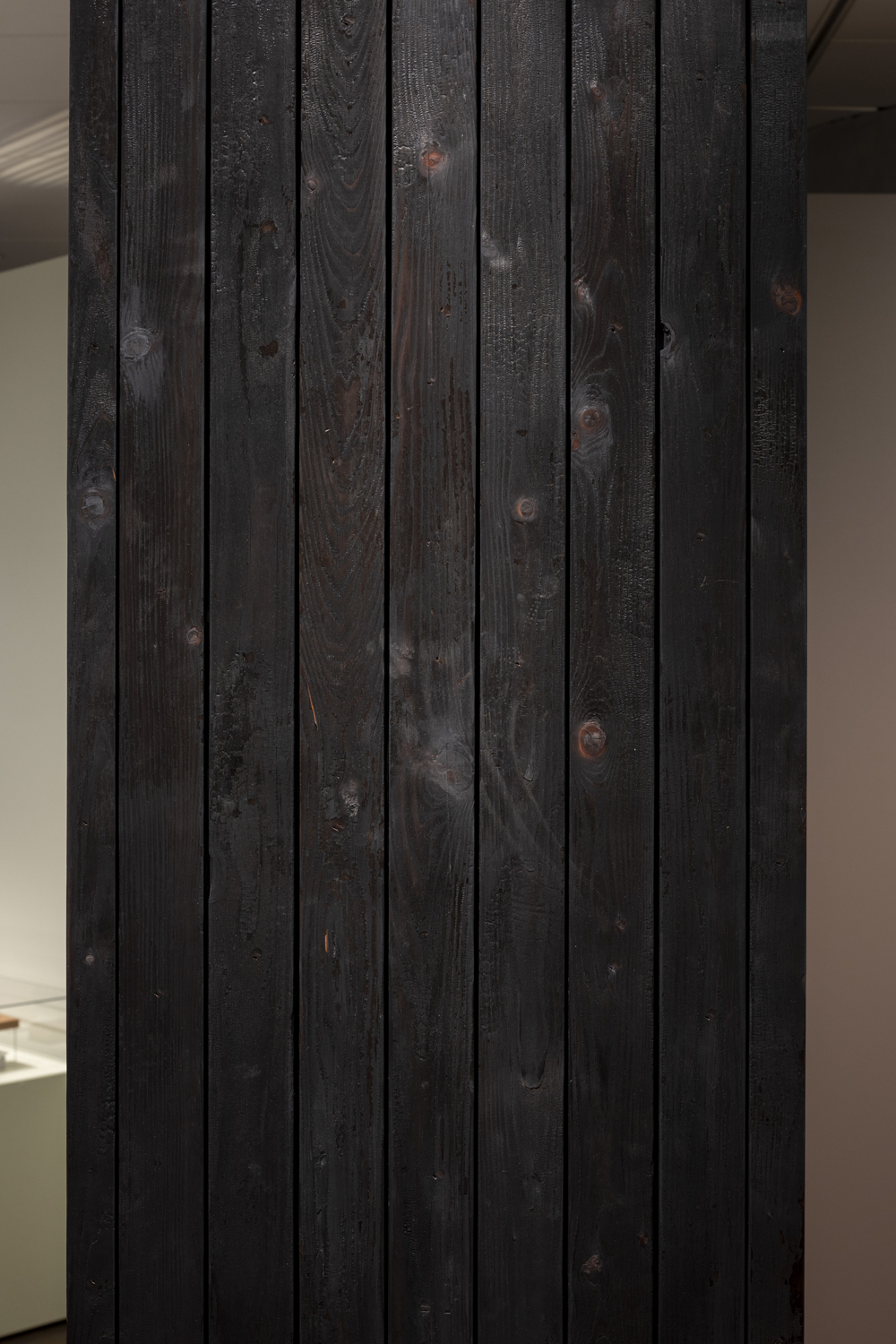
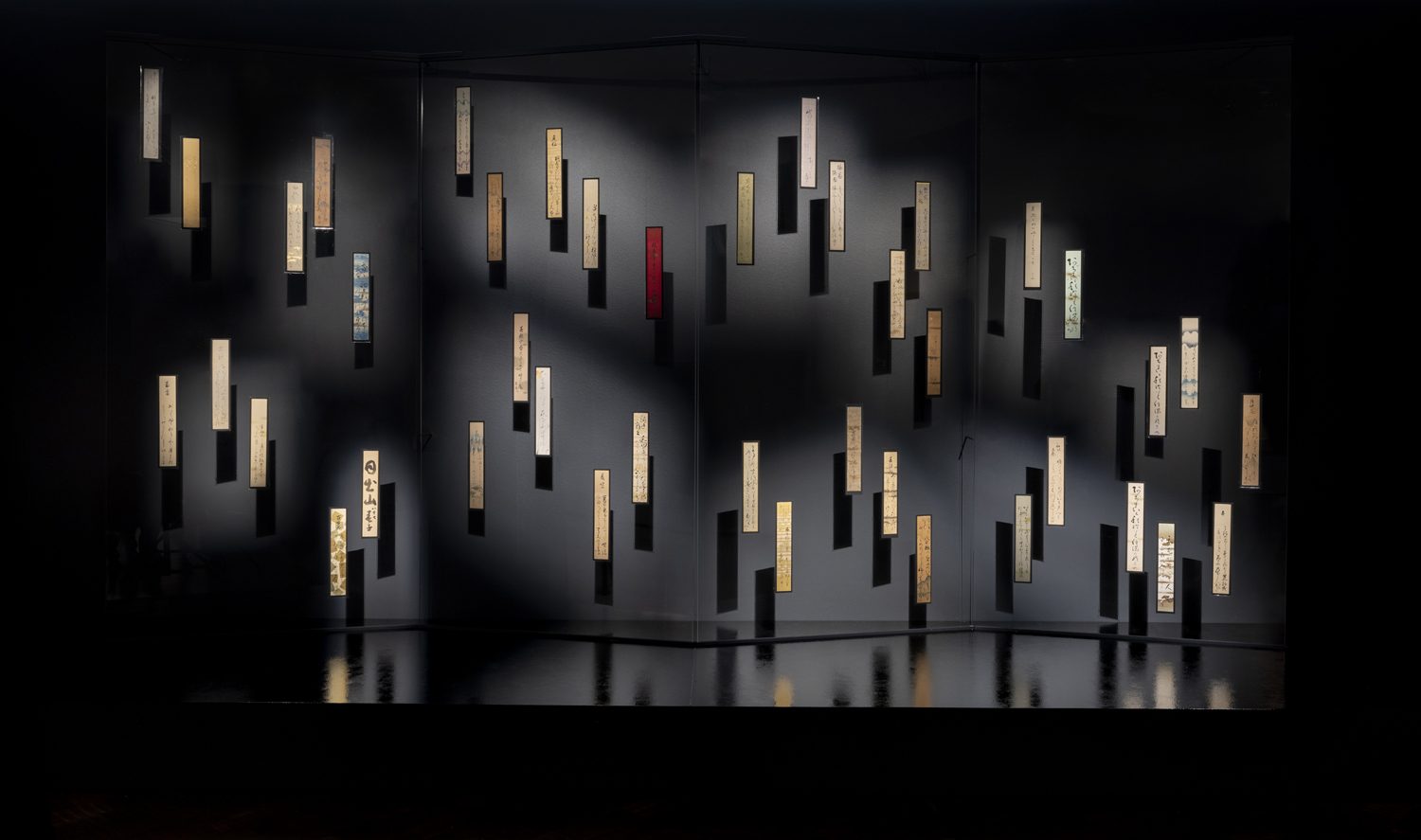
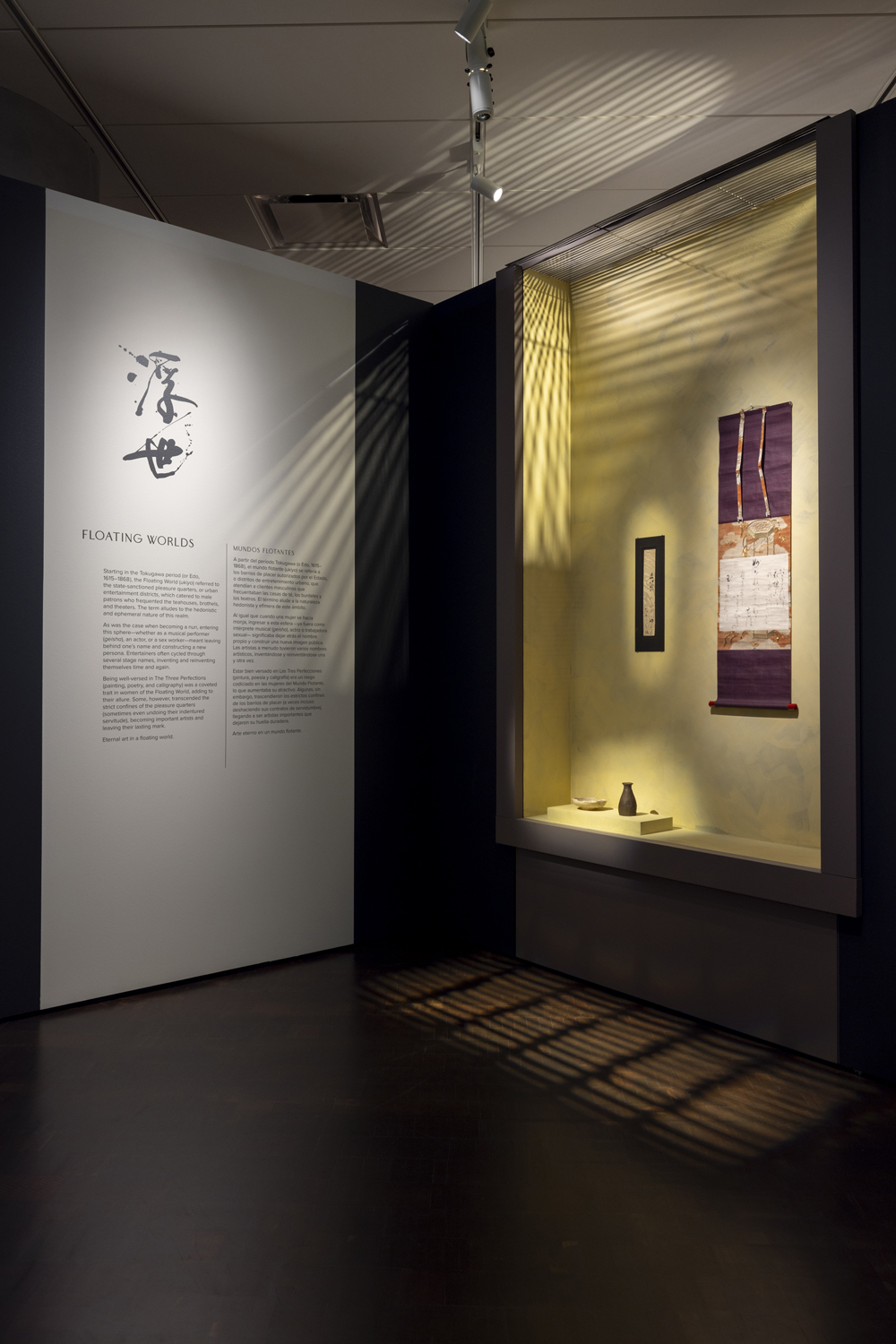
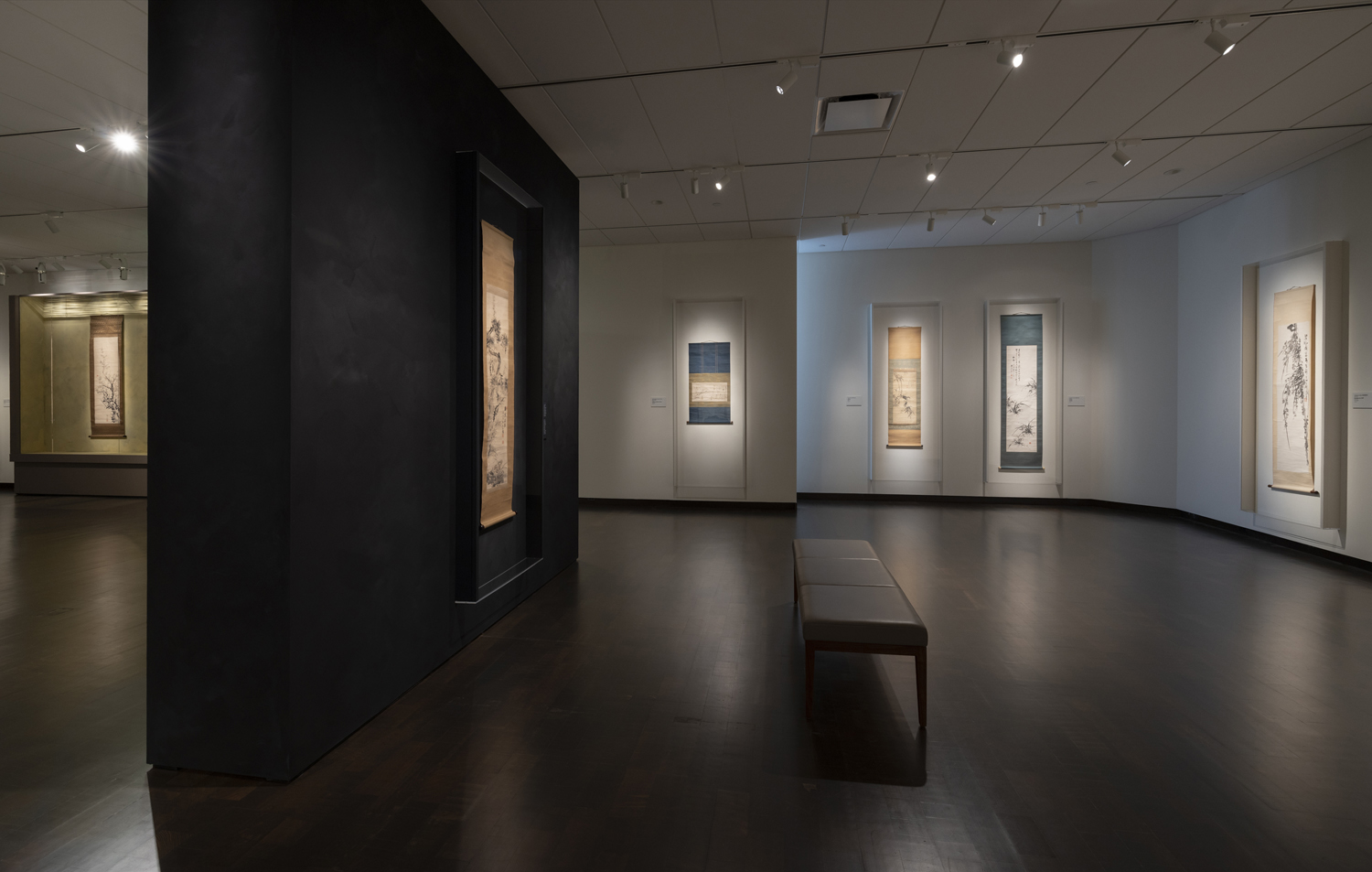
This exhibition explored the ways in which Japanese women from the 1600s to 1900s participated in artistic creation. Each section of the exhibition highlighted physical or social spaces in which Japanese women artists worked.
Accent materials and special lighting features were developed to evoke a sense of these environments, often drawing inspiration from traditional Japanese architectural materials and forms.
Photos by Eric Stephenson, © Denver Art Museum
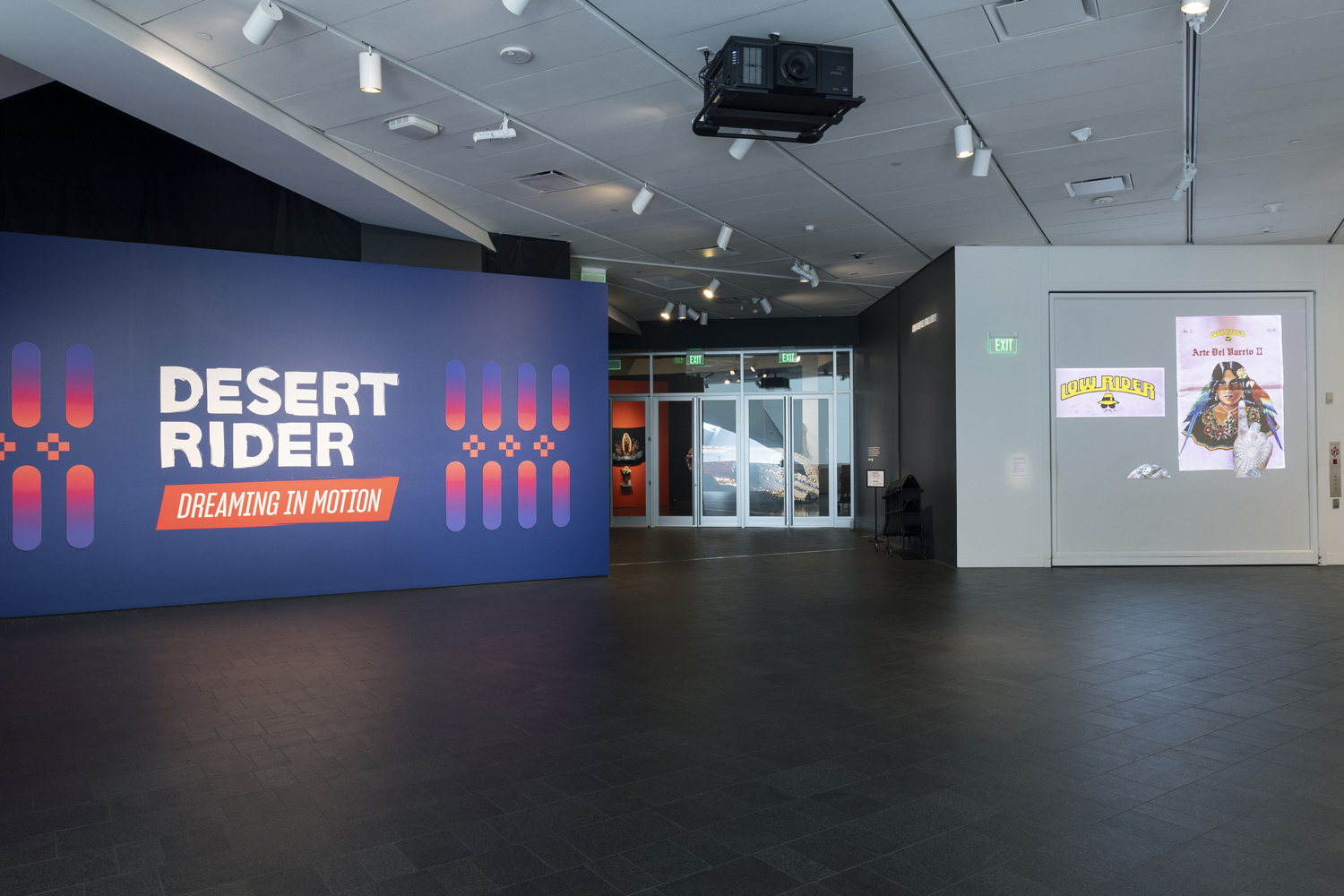
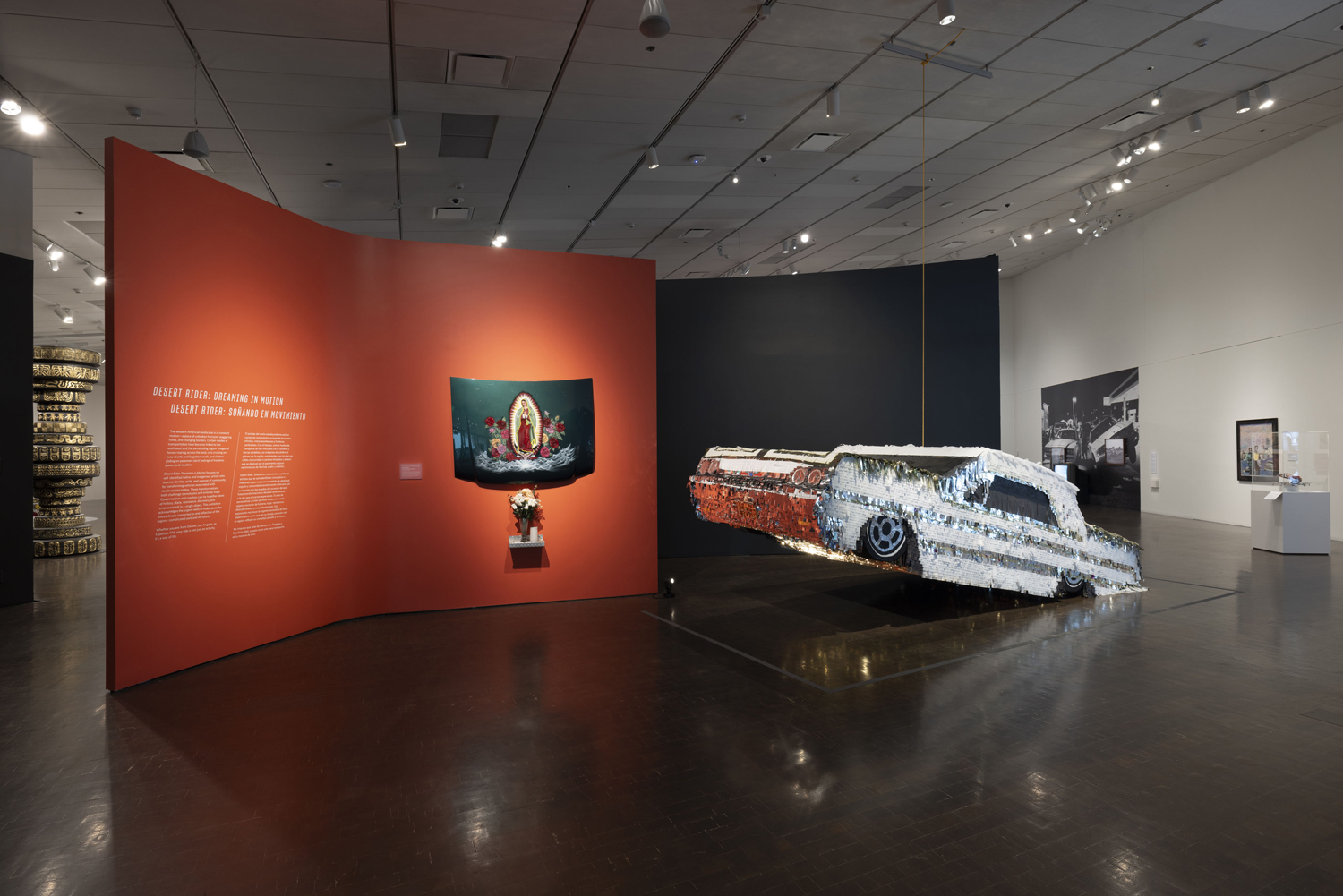
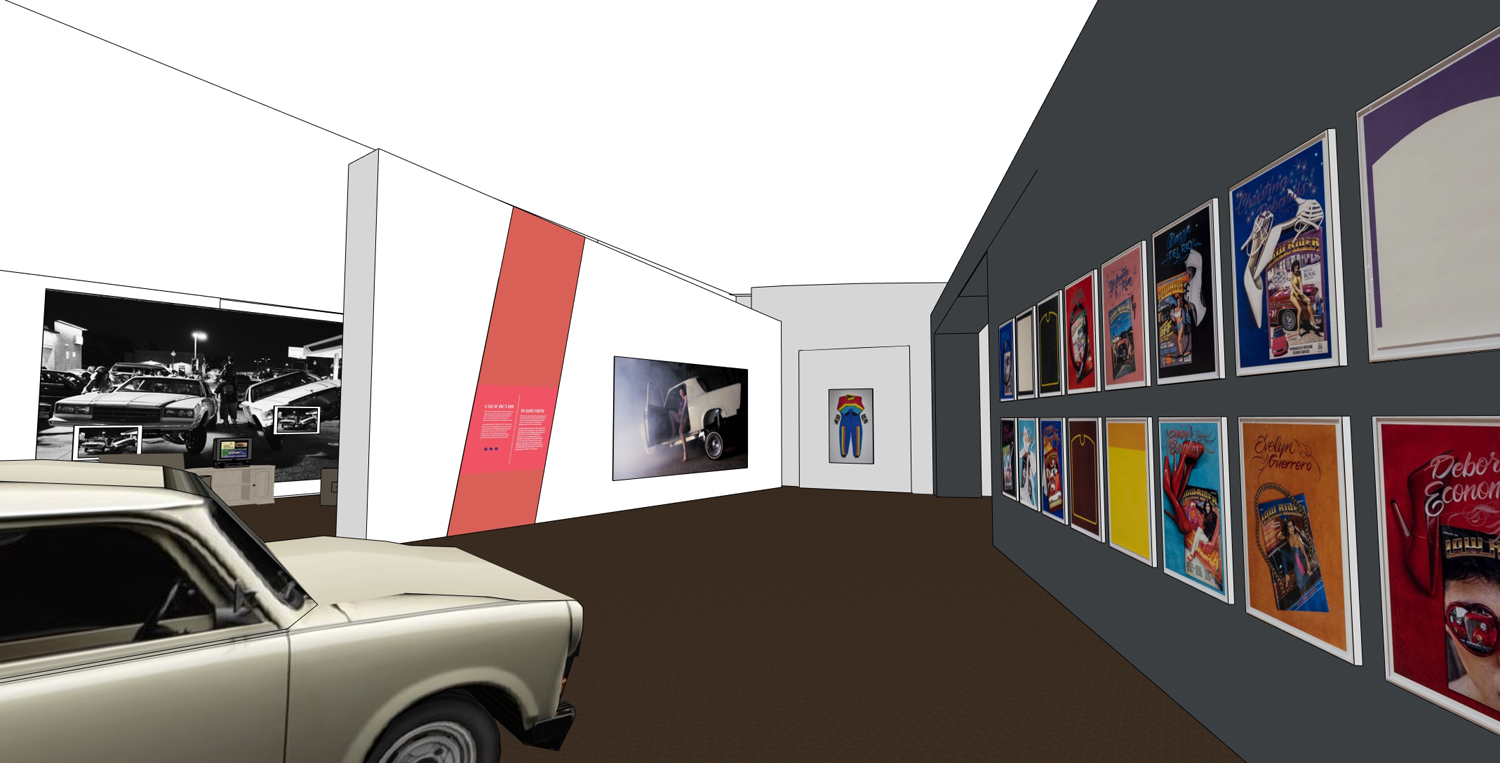
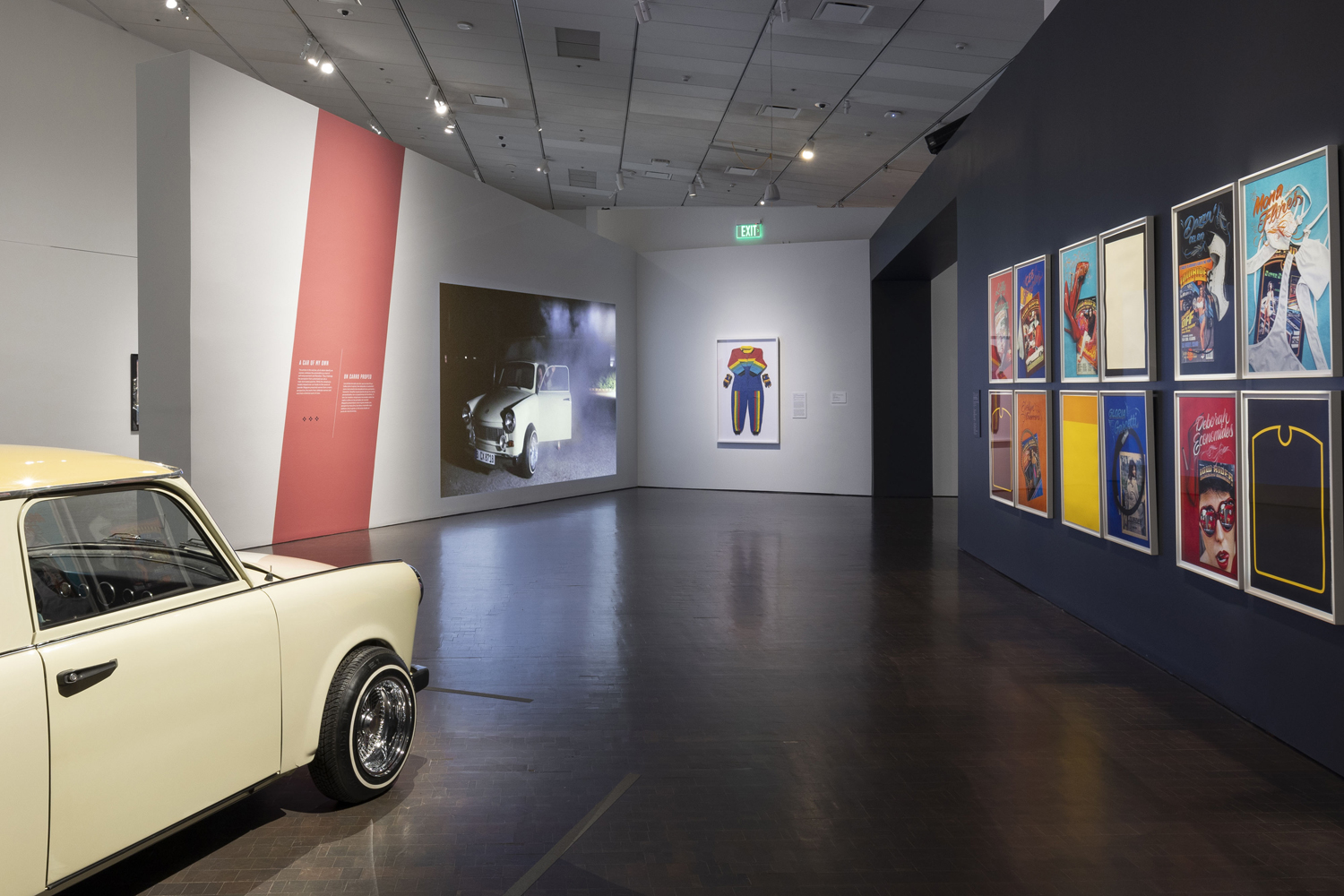
Desert Rider: Dreaming in Motion
Denver Art Museum, 2023
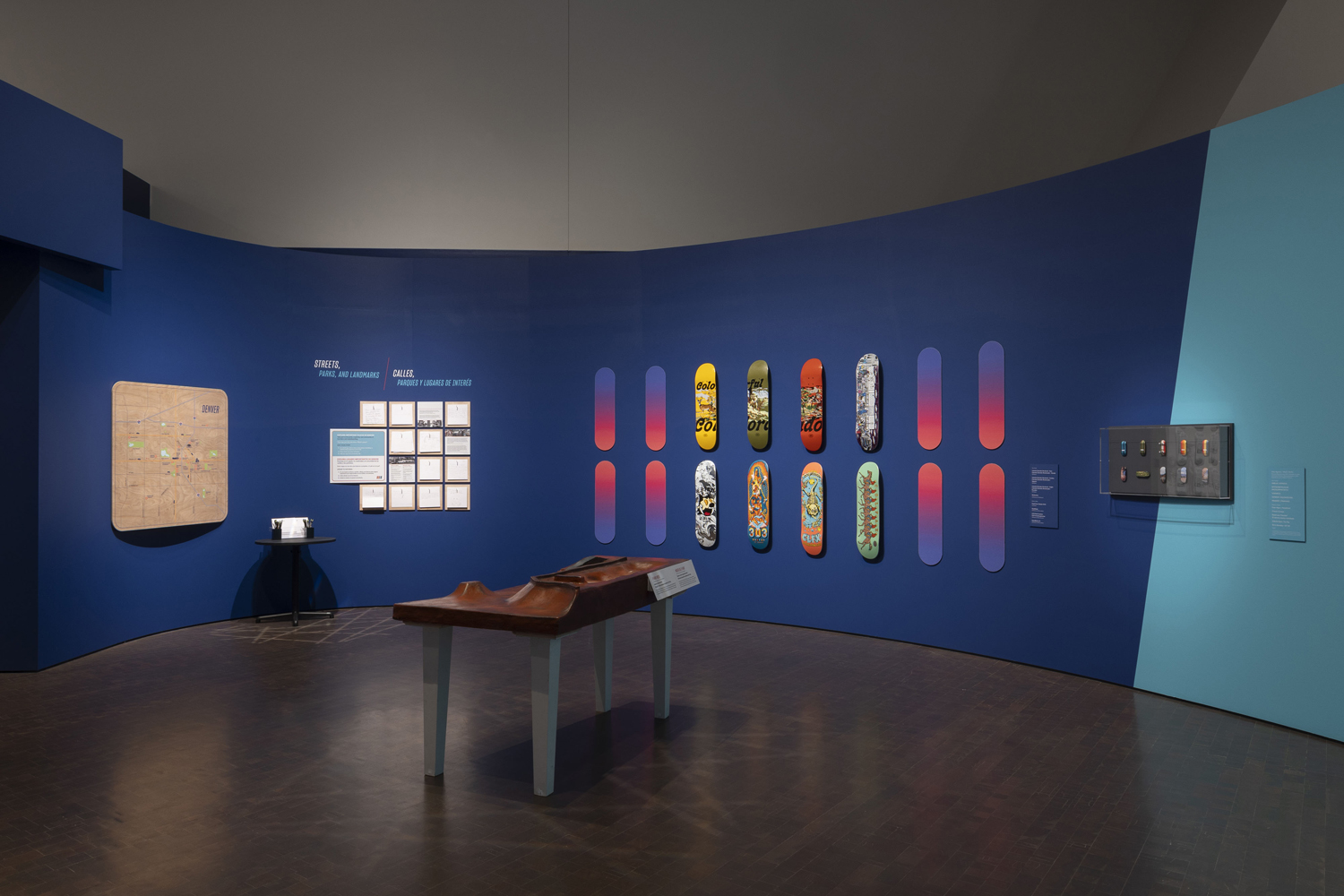
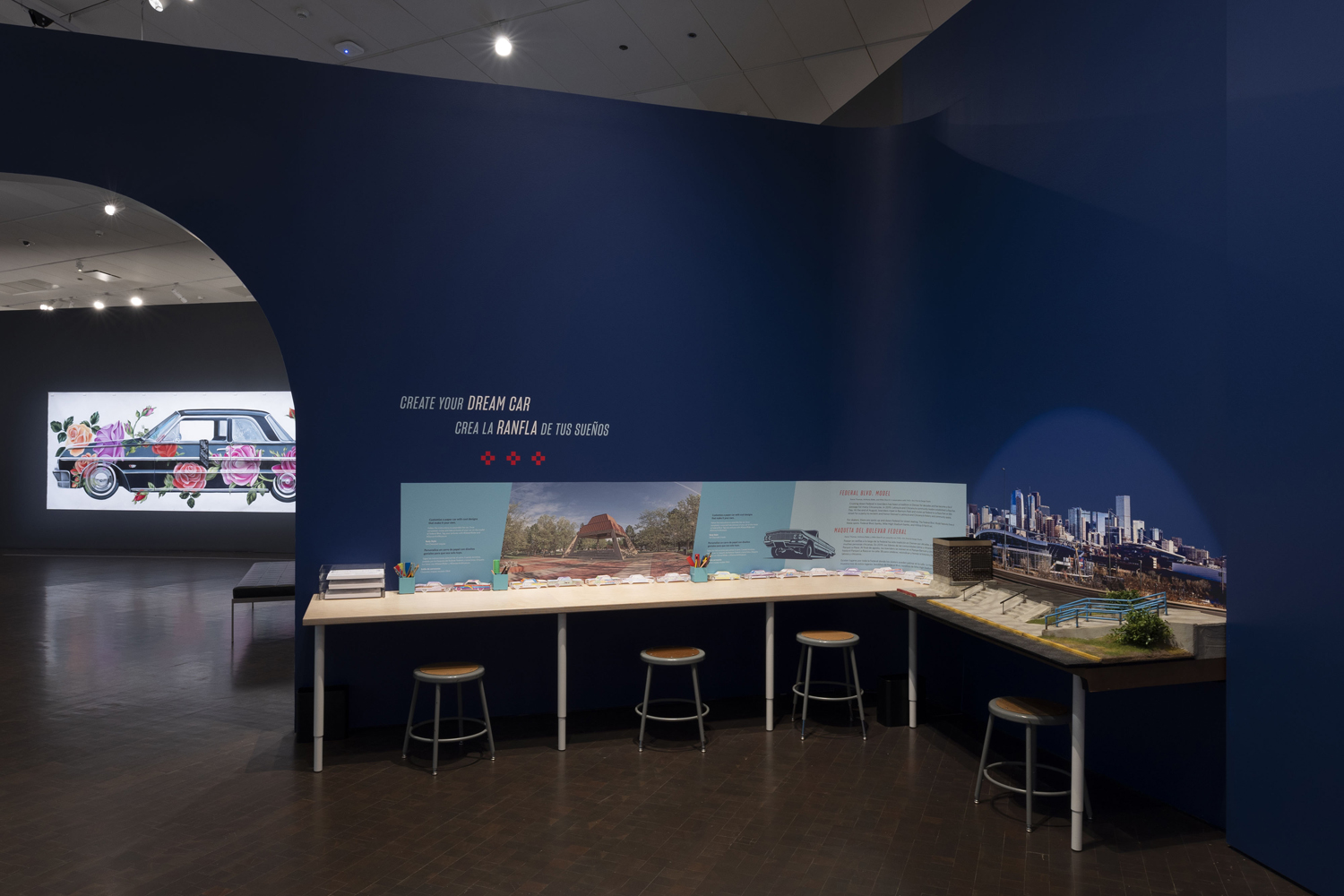
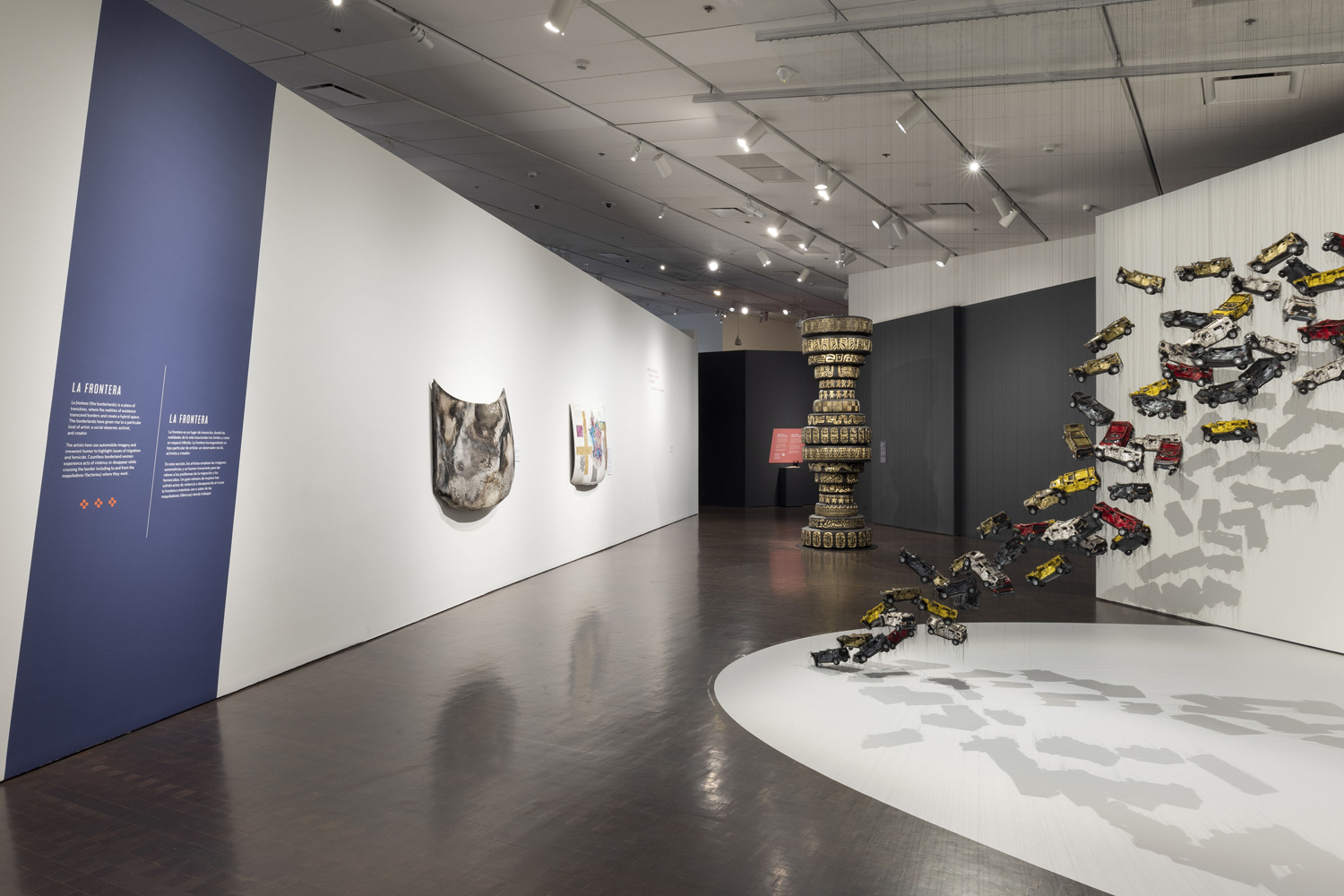
Car culture and skateboarding create avenues for individuals to express ideas of power, rebellion, freedom, and community pride. This exhibition reflected on how Latinx and Indigenous artists in the southwestern United States engage with car and skate culture in their work.
Featuring several large works made of unusual materials, the planning and design of the exhibition required careful consideration of the spatial arrangement as well as each work’s installation requirements. The exhibition also featured a popular interactive zone exploring skate and lowrider culture in the Denver metro area.
Photos by Christina Jackson, rendering by Eric Berkemeyer, images © Denver Art Museum
Sustained!
The Persistent Genius of Indigenous Art
Denver Art Museum, 2024 –Present
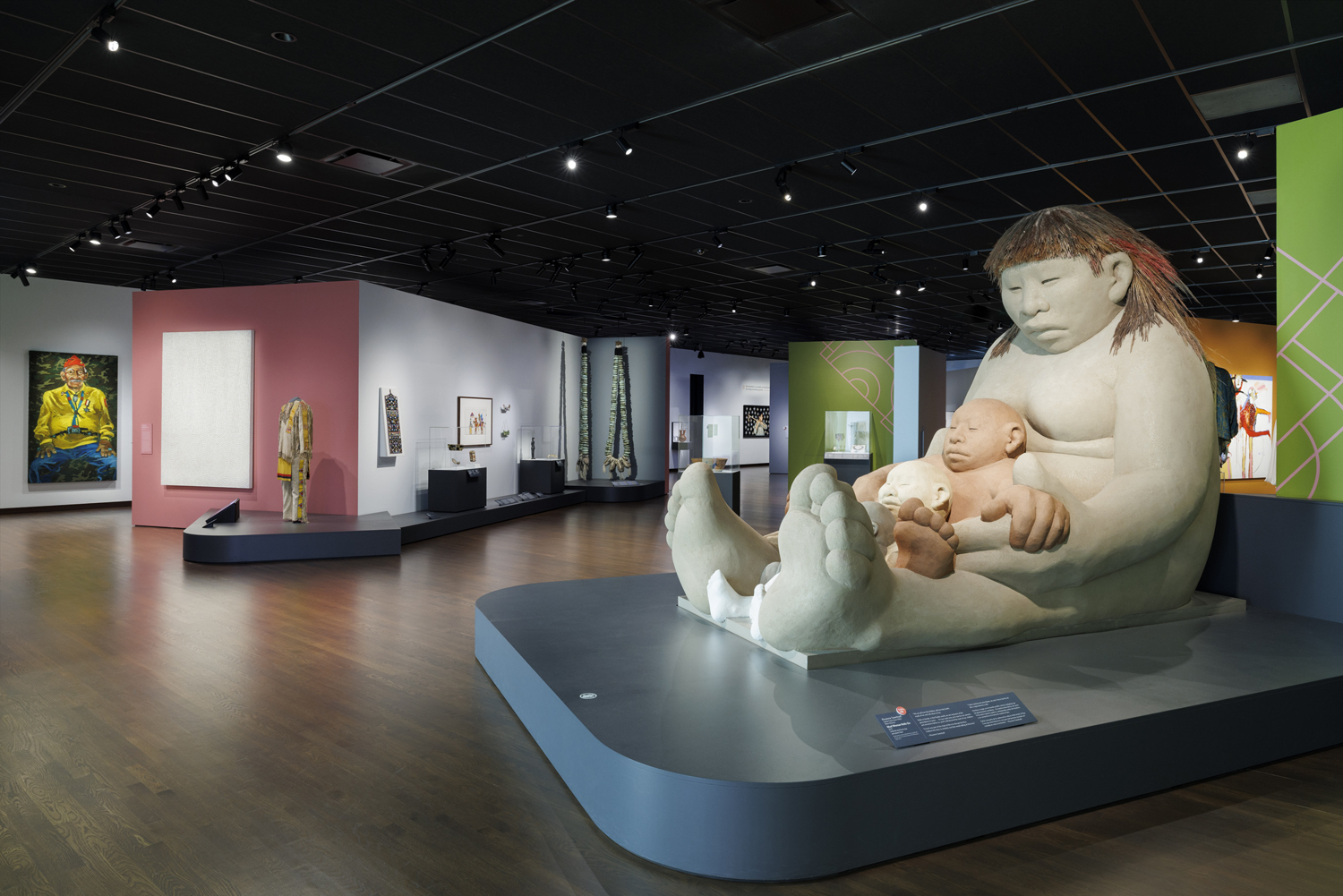
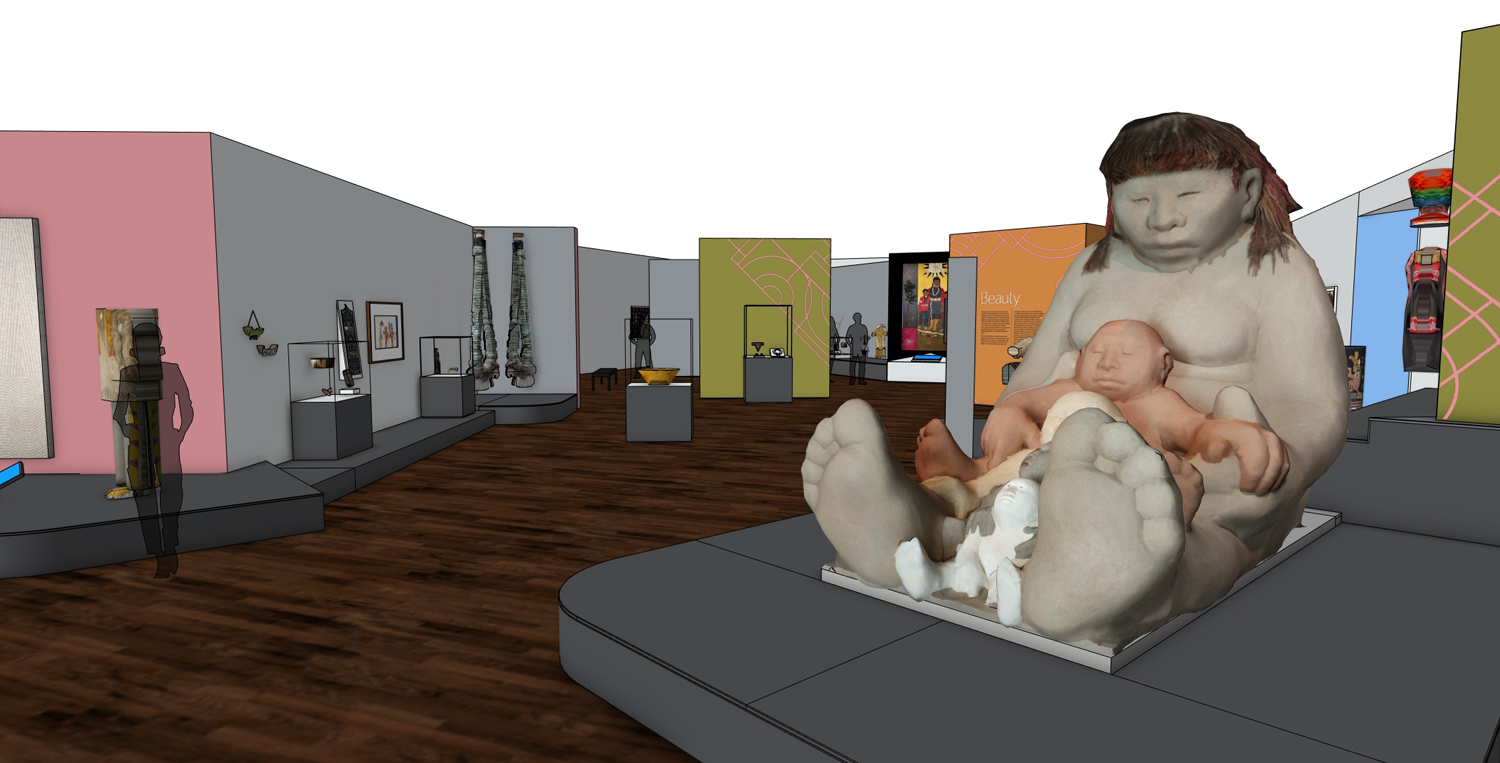
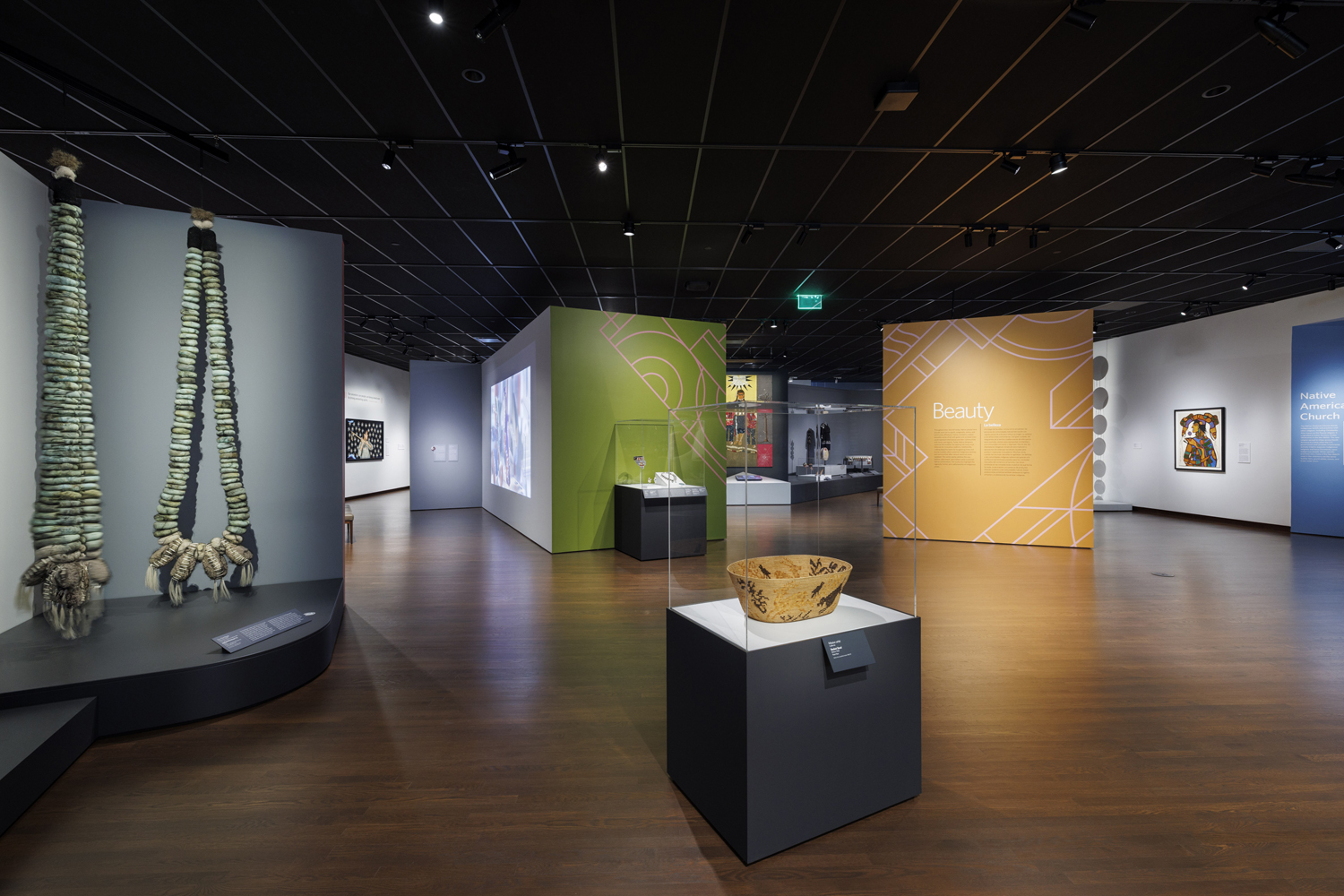
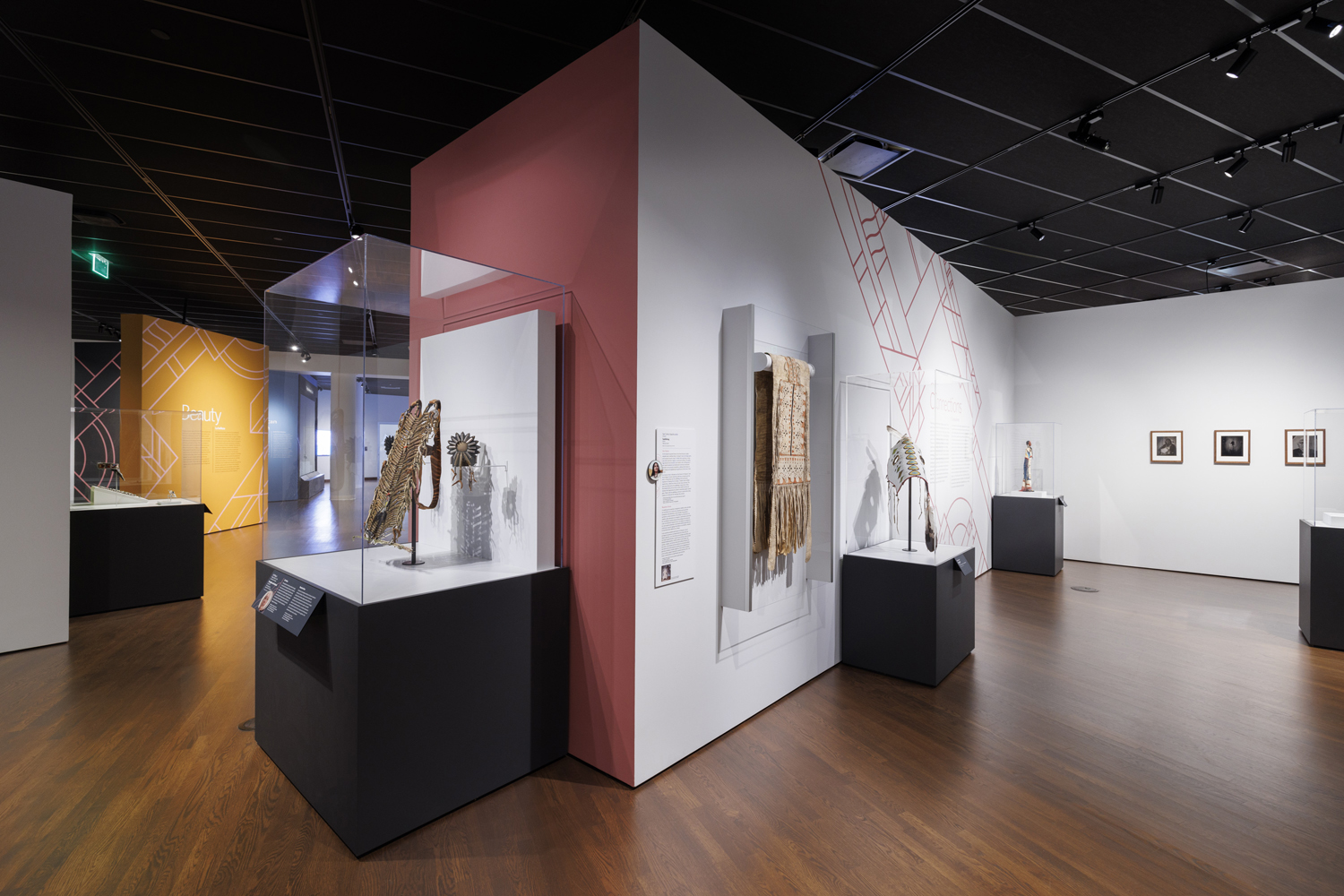
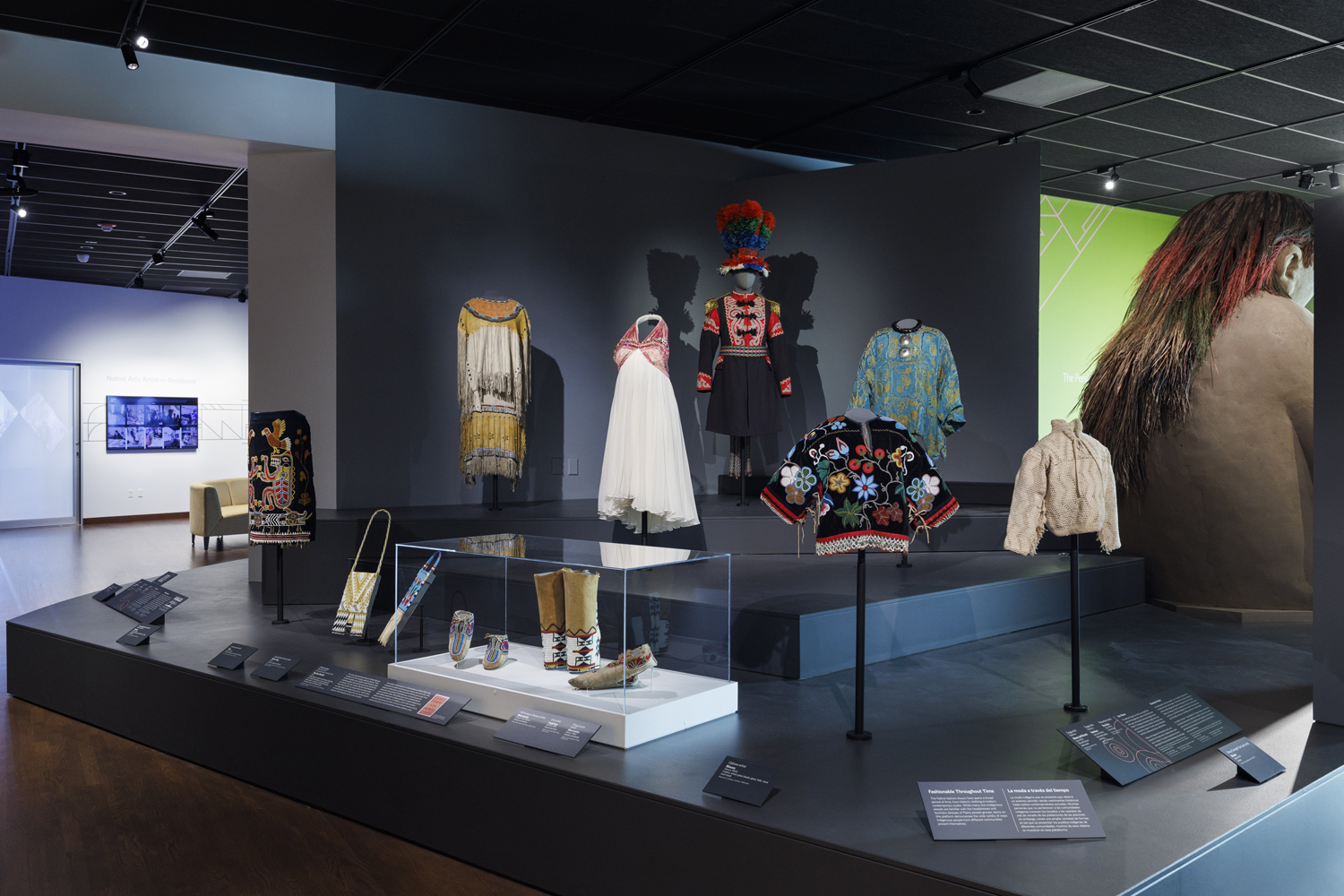
Sustained! represented the first major refresh of the Indigenous Arts of North America galleries since the full reinstallation that opened in 2021. A community advisory group helped shape the focus of the show, ultimately coalescing around three themes: beauty, connections, and spirituality.
The design maximized the reuse of existing gallery walls and casework, refreshing the look and feel of the space while maintaining continuity with the rest of the floor. This was also the first project at the Denver Art Museum in which a 3D scan of a collection object was used in an exhibition layout, adding a level of visual and dimensional accuracy that was otherwise difficult to achieve manually.
Photos by Eric Stephenson, rendering by Eric Berkemeyer, images © Denver Art Museum
Lunar Phases: Korean Moon Jars
Denver Art Museum, 2025
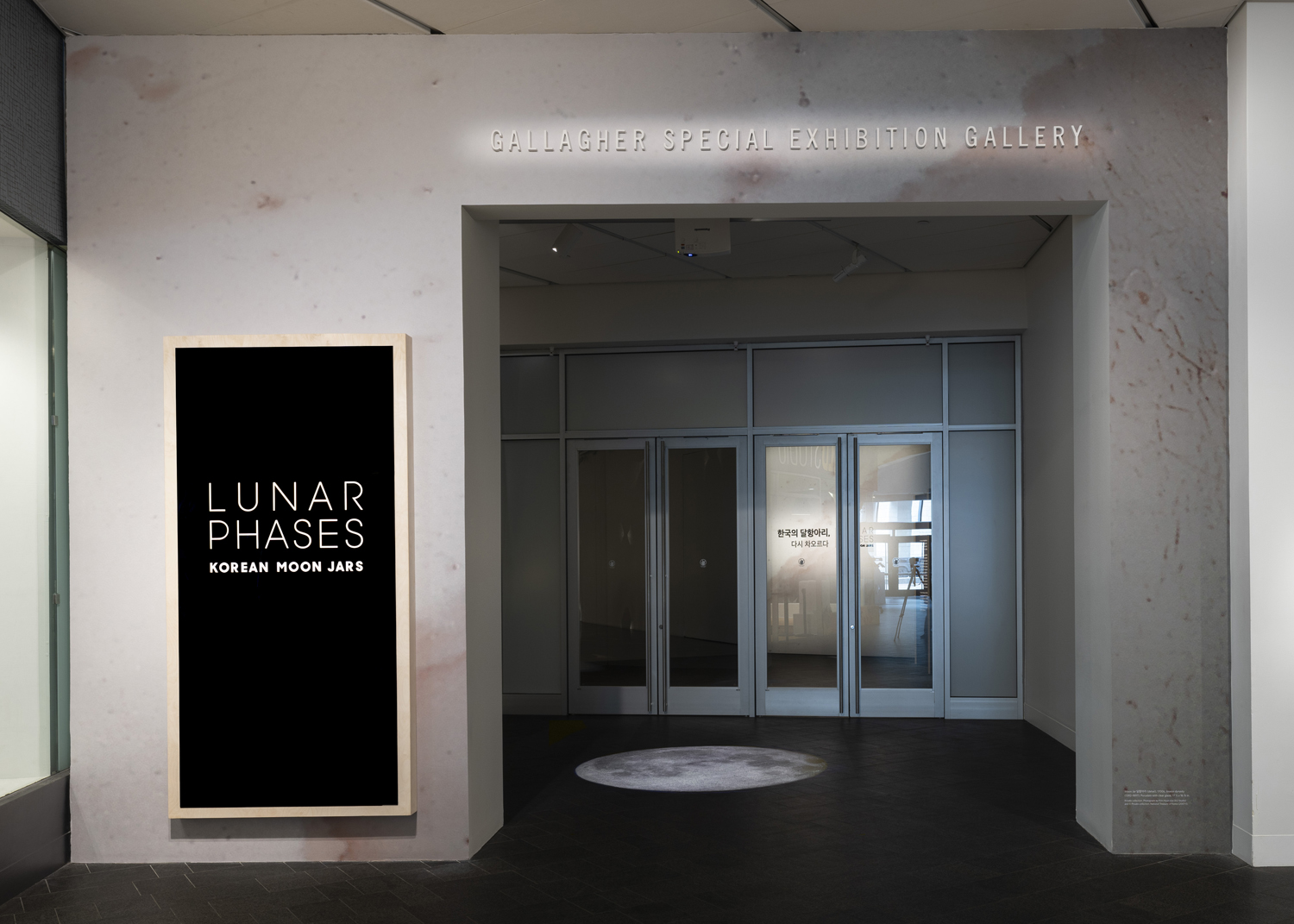
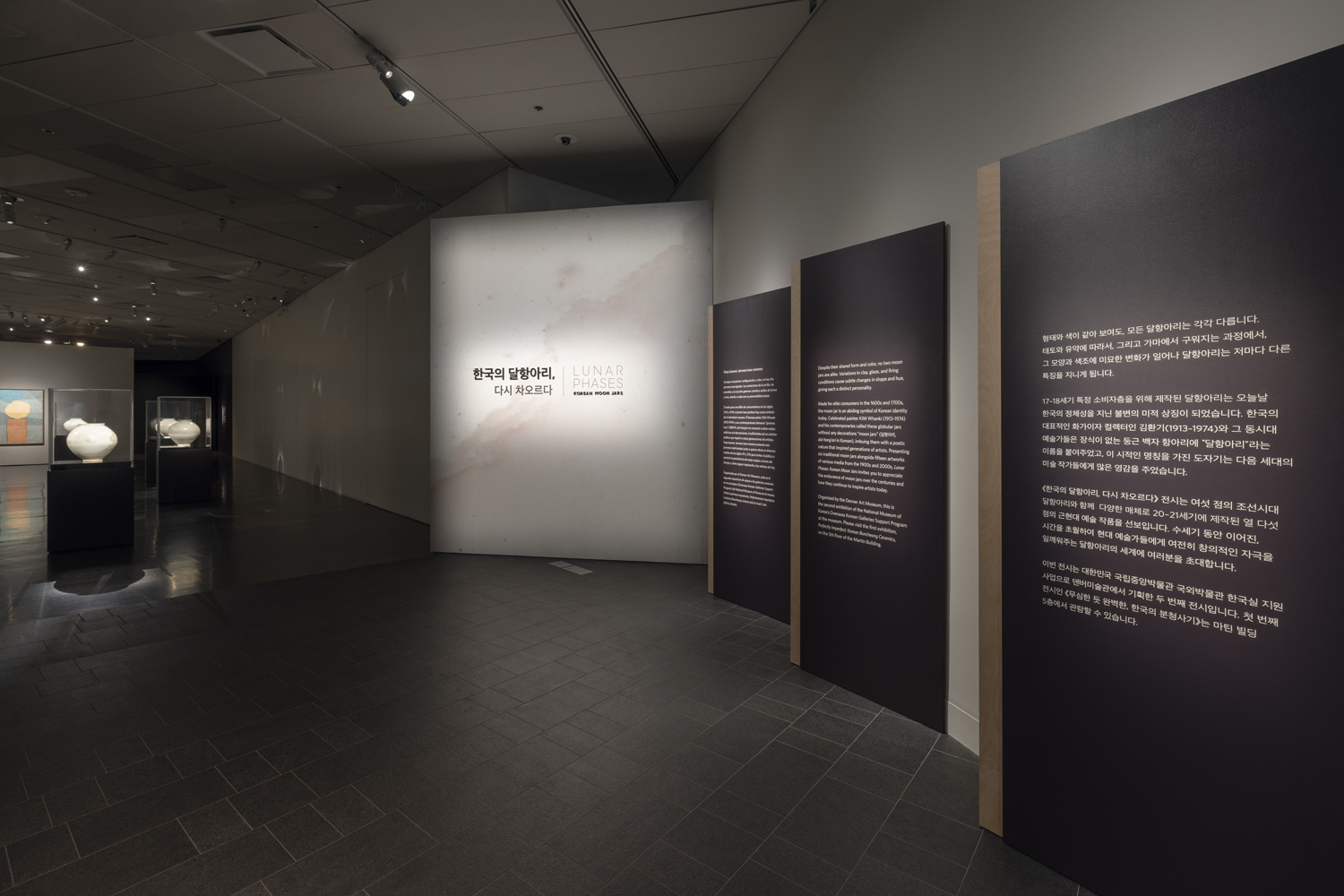
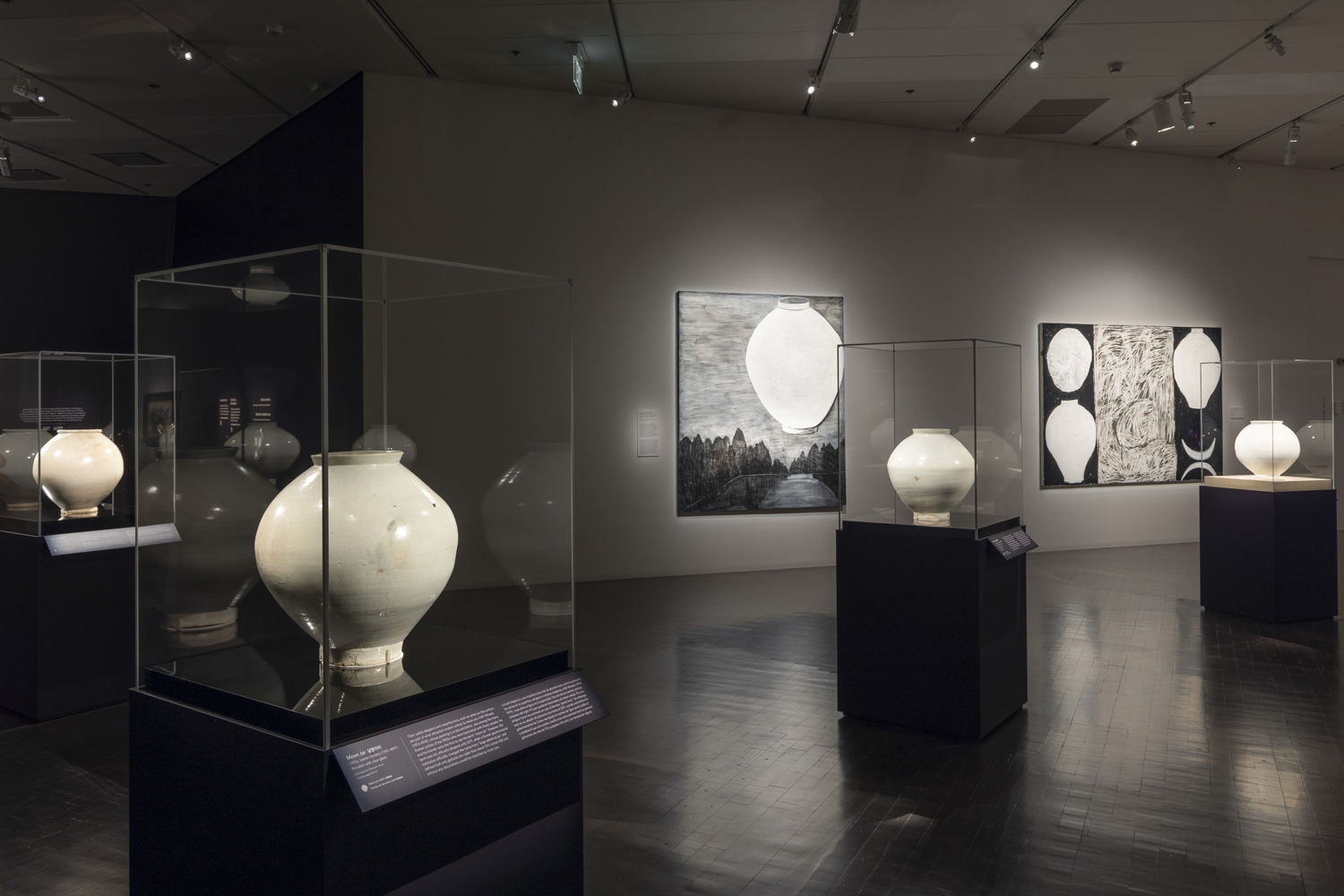
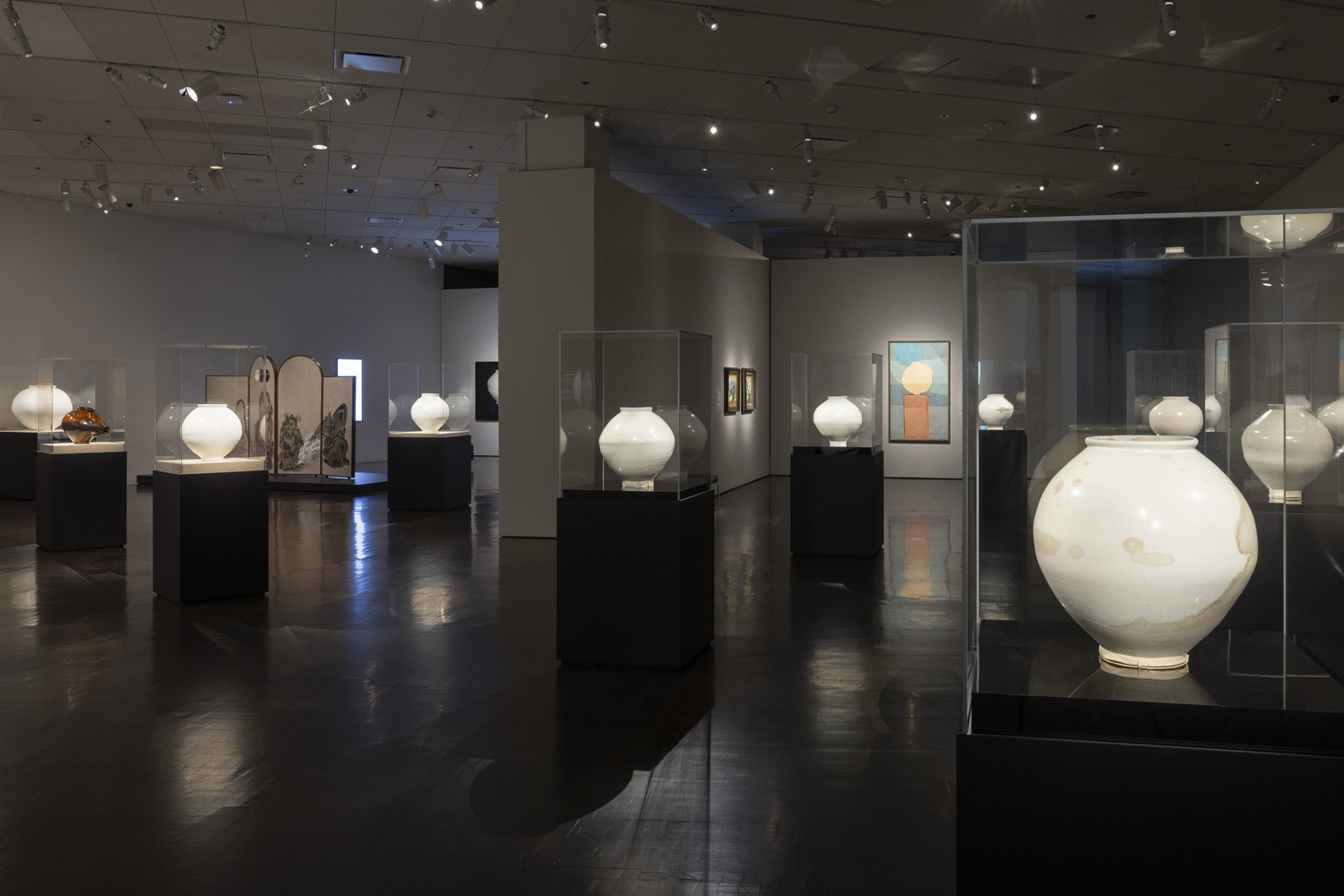
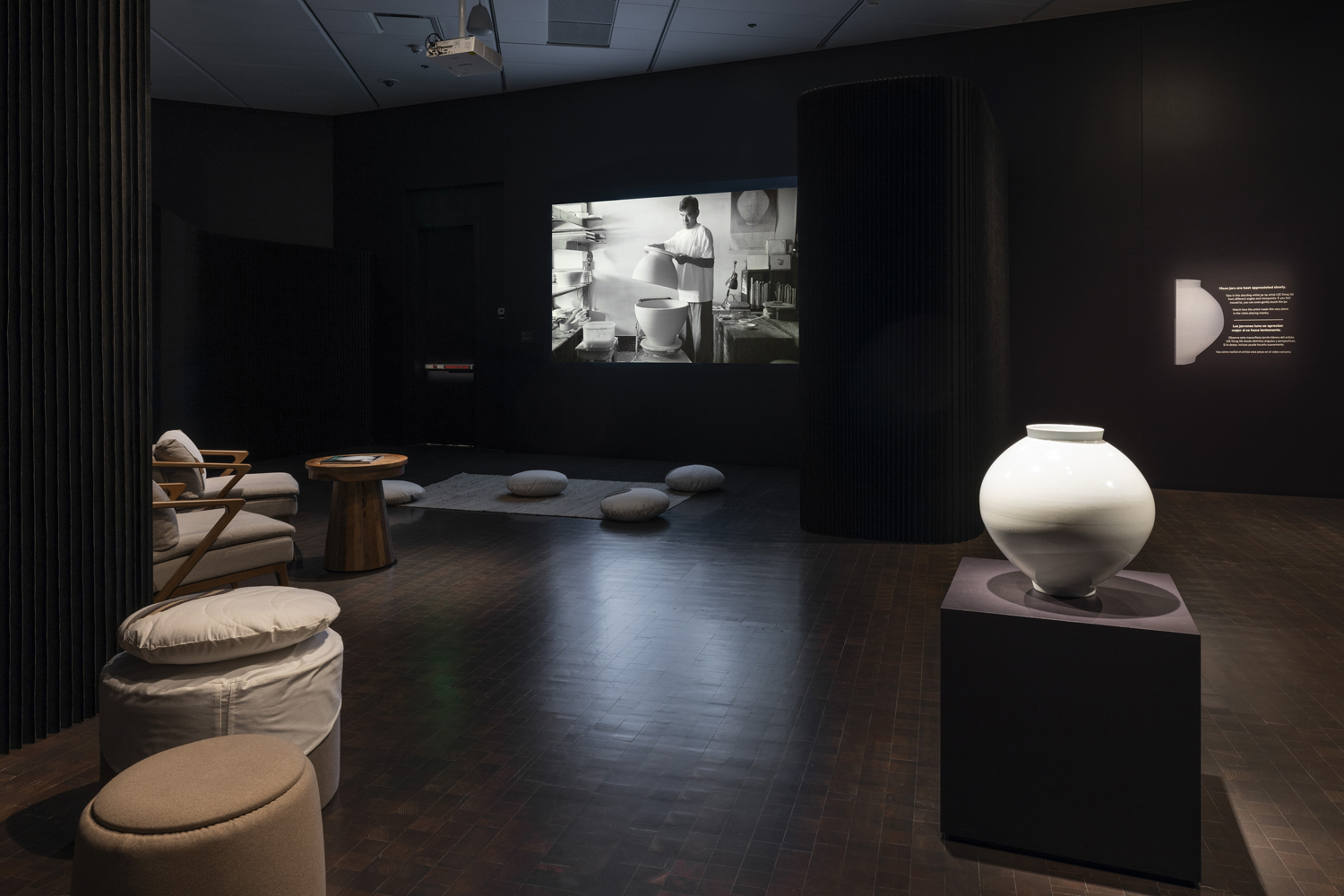
Moon jars are an art form that has taken on iconic status in Korea. The historic form took prominence in the 17th and 18th centuries. In the 20th century, moon jars garnered renewed attention with modern artists responding to and mimicking the elegant globular form of earlier vessels, a trend that continues to the present day.
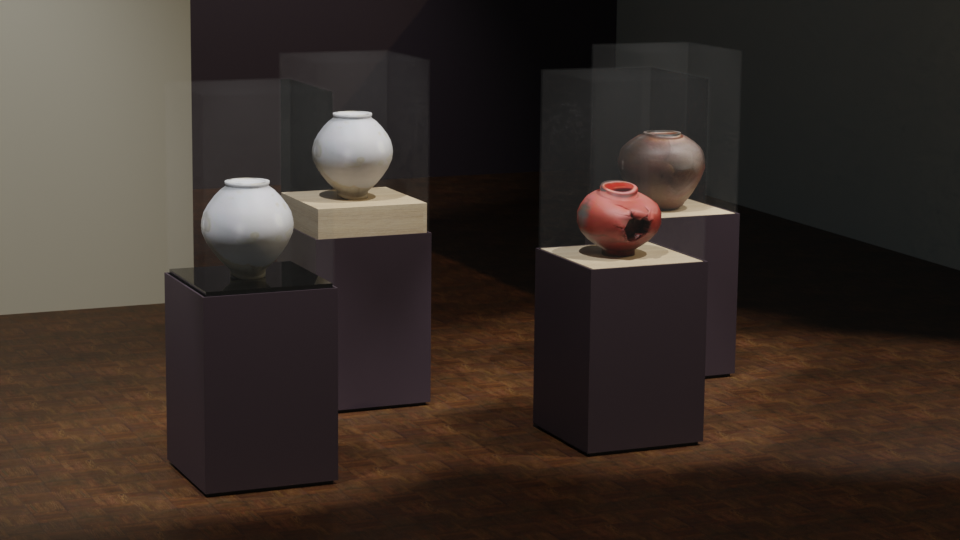
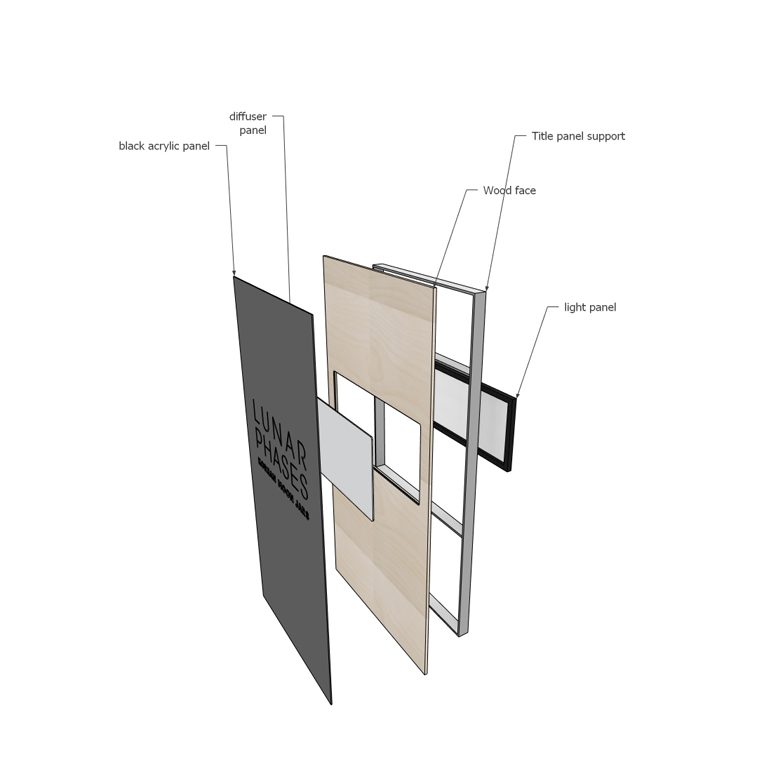
The curator of the exhibition sought a way to distinguish the historic works from the modern and contemporary ones. Ultimately, we decided to introduce accent materials, gloss black acrylic and Baltic birch, that could help in this effort and could be featured throughout the exhibition design. Light and reflection became a recurring theme, and we took advantage of raytracing software to visualize how works and lighting would interact with these materials.
Photos by Christina Jackson, renderings by Eric Berkemeyer, images © Denver Art Museum
Kent Monkman:
History is Painted by the Victors
Denver Art Museum, 2025
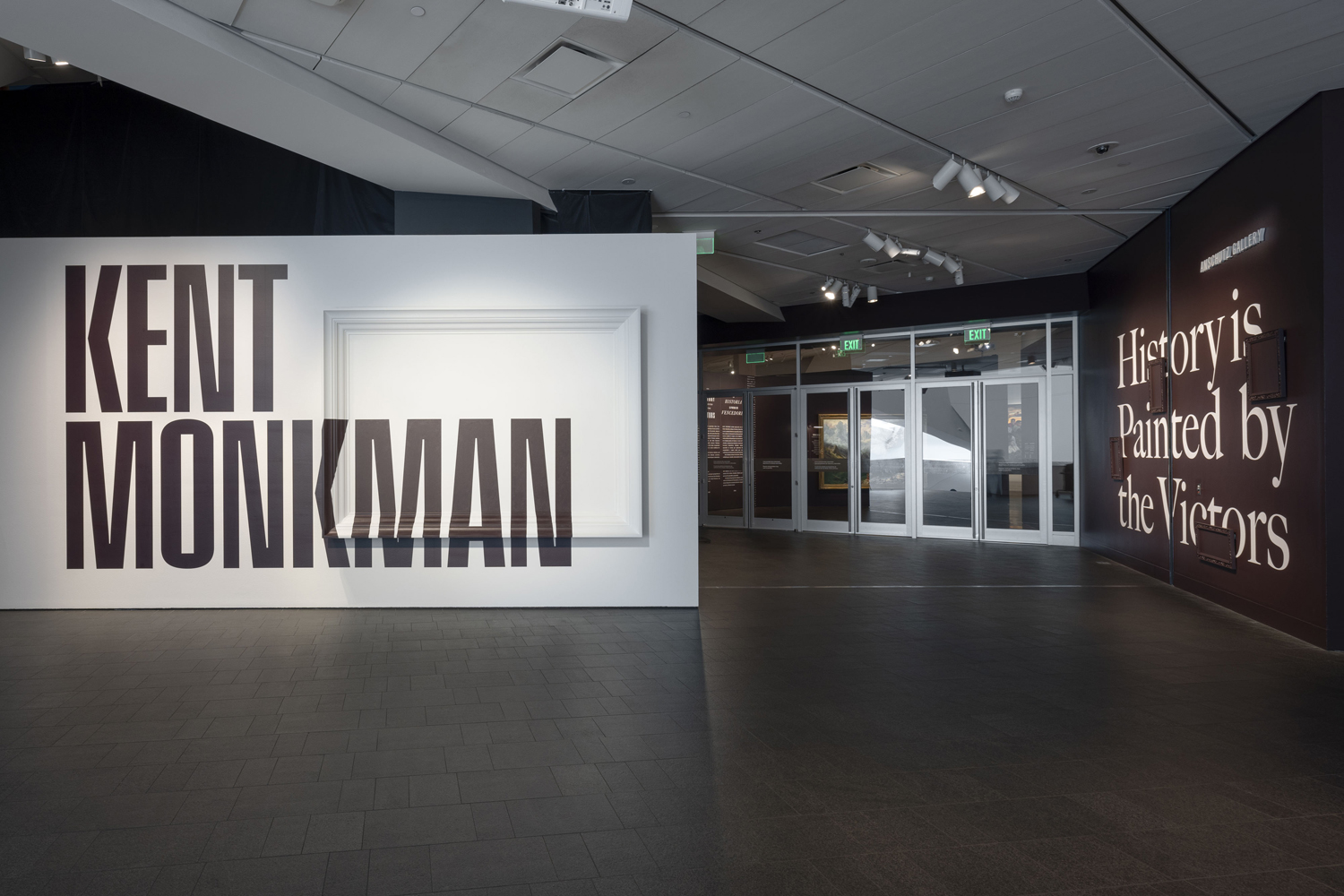
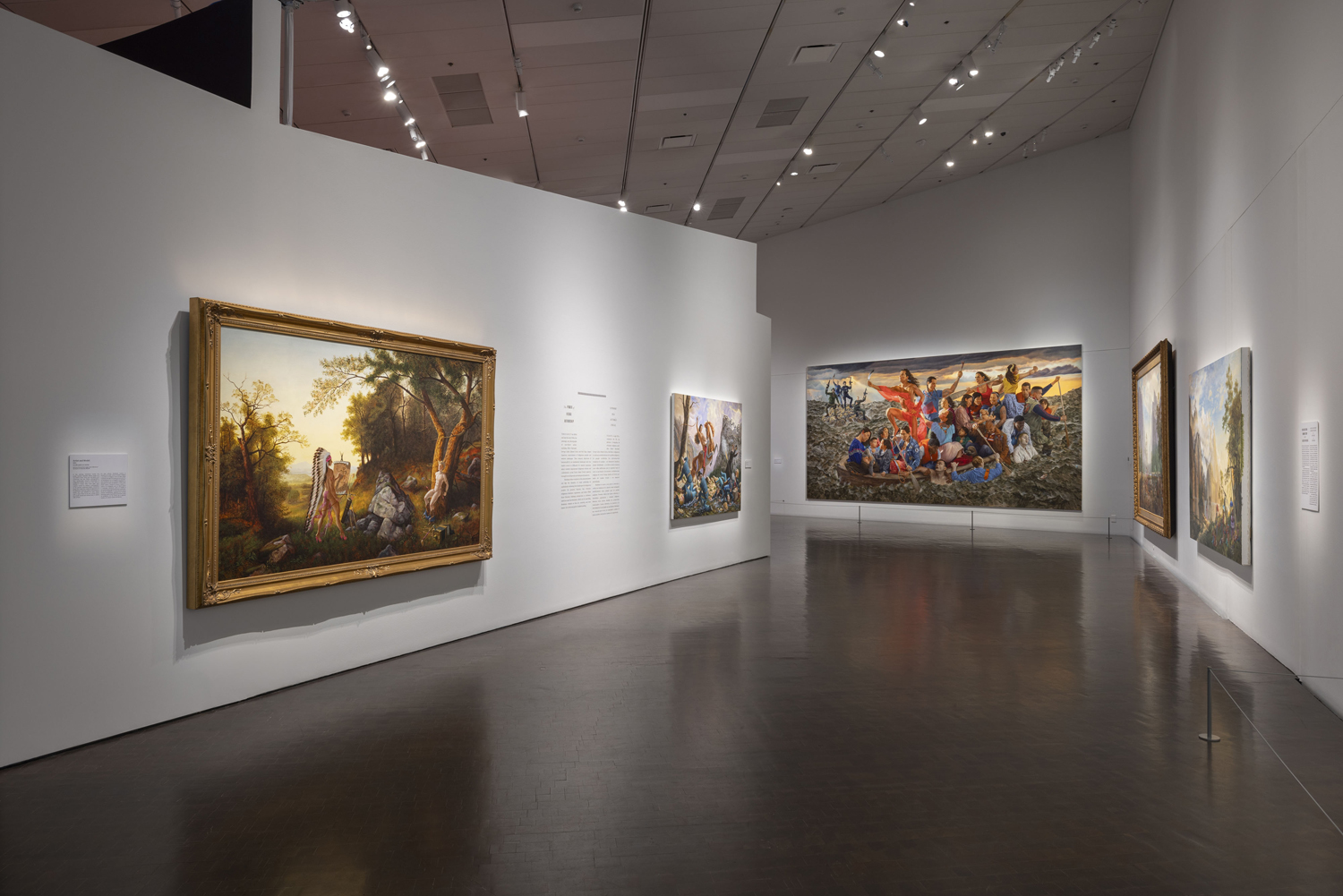
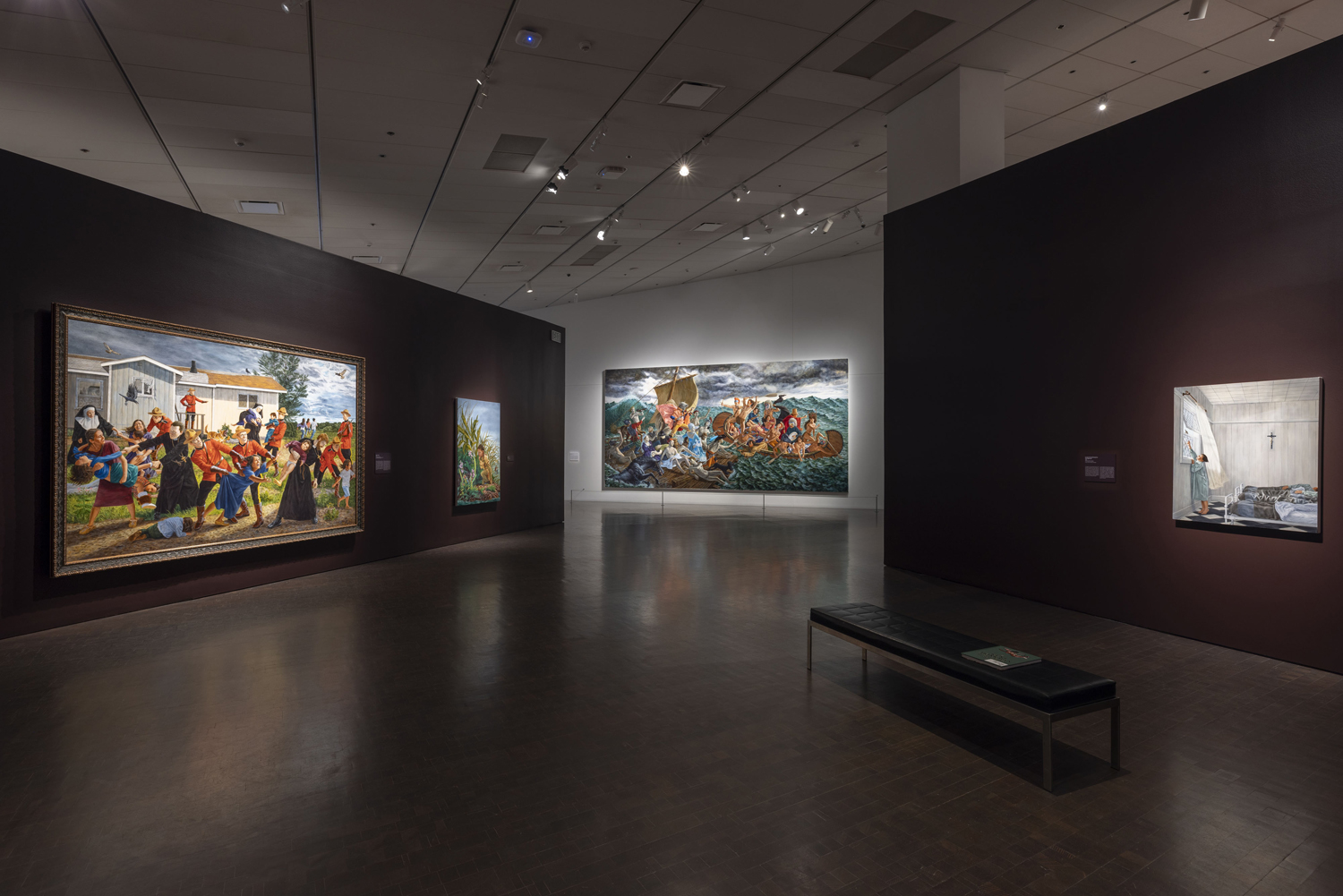
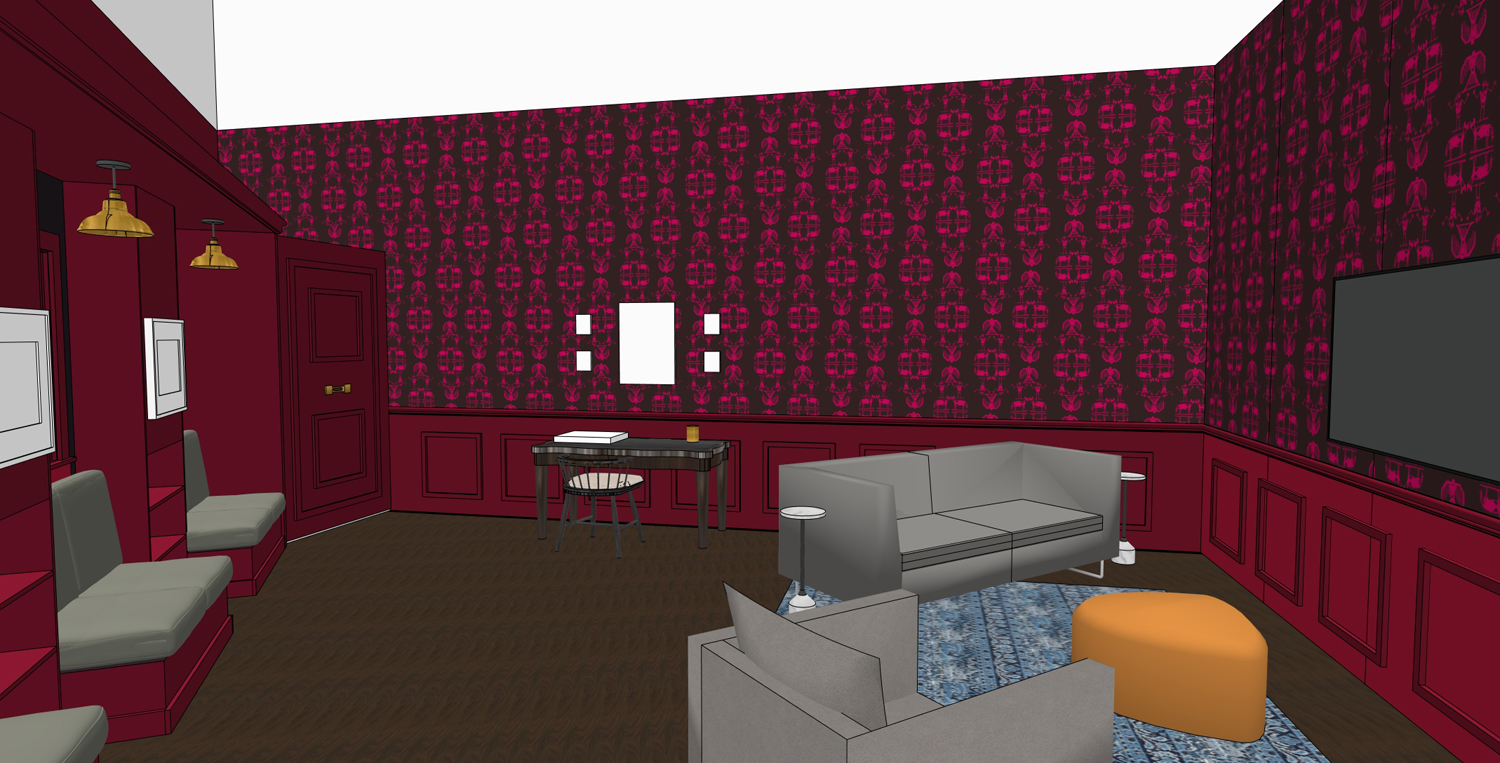
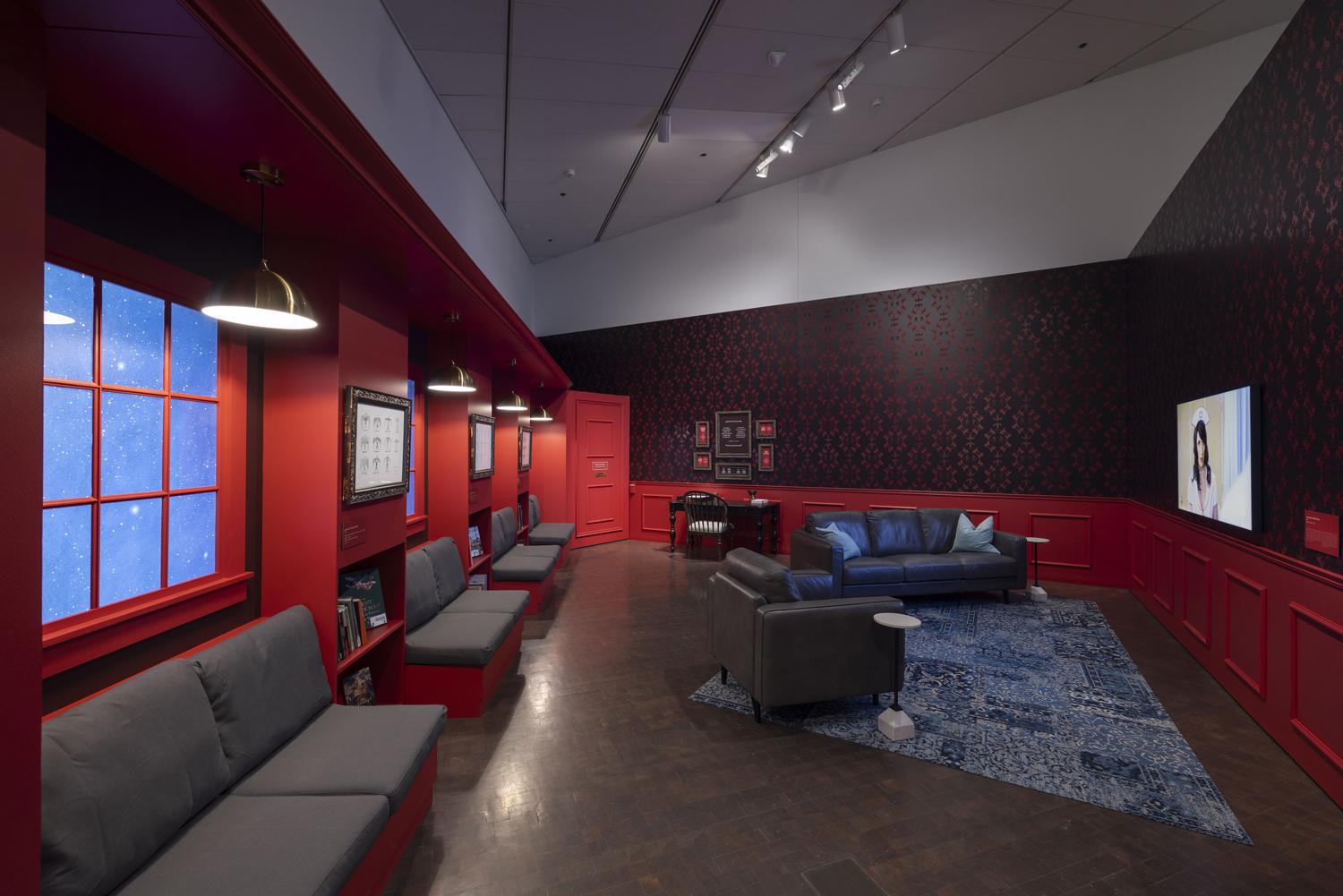
Kent Monkman’s work often reflects on the history of art history, elevating stories that historically went untold. Design motifs in the exhibition referenced monumental 19th-century frames, architectural features, and elements derived from the artist’s work. In collaboration with the exhibition graphic designer, we developed dimensional features and outfitted a library space with inviting seating, a response activity, and a video work by the artist. Furniture, fixtures, and architectural fittings were specifically sourced for this exhibition.
Photos by Christina Jackson, rendering by Eric Berkemeyer, images © Denver Art Museum
Knife Fork Spoon:
Everyday Tools, Extraordinary Design
Denver Art Museum, 2026
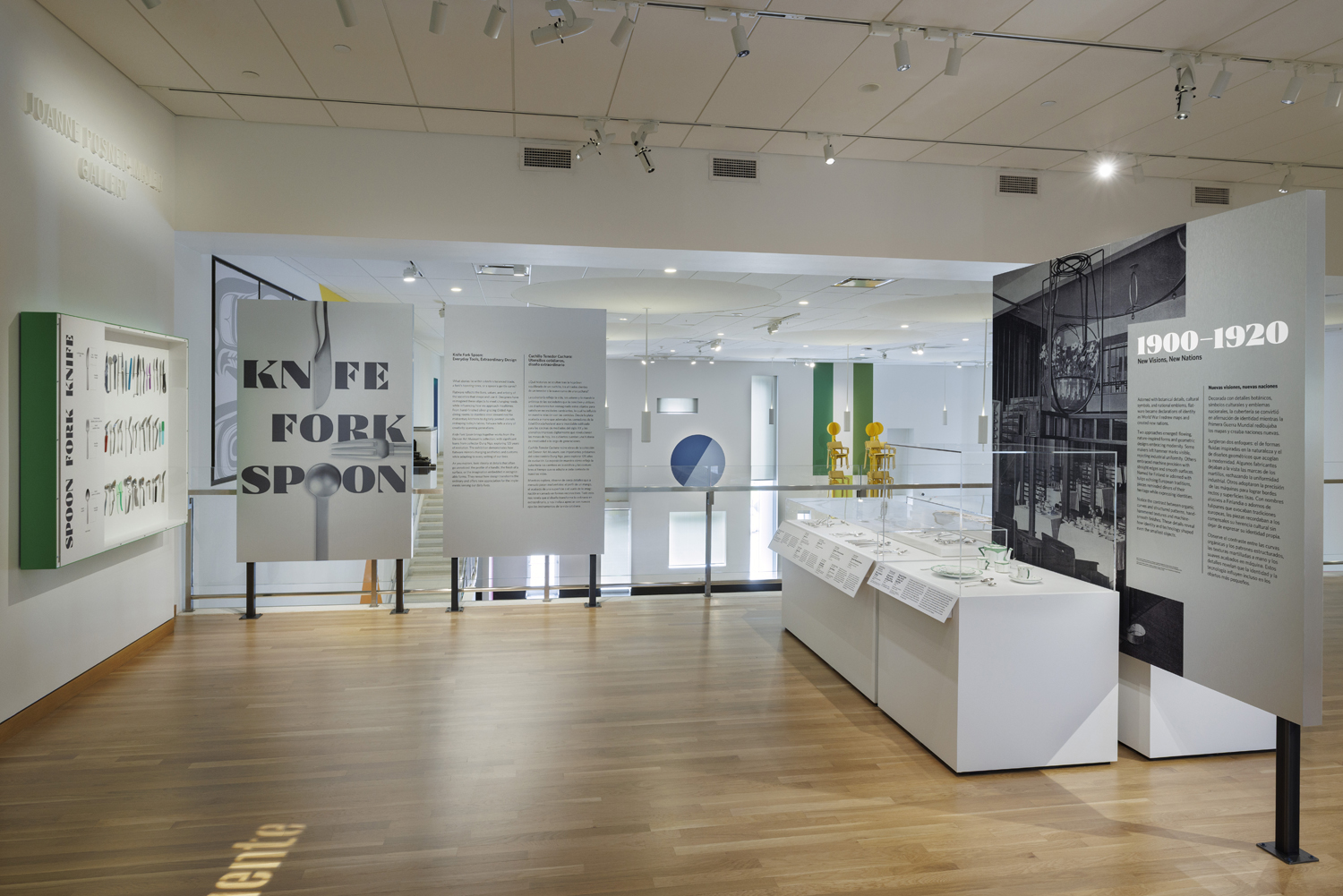
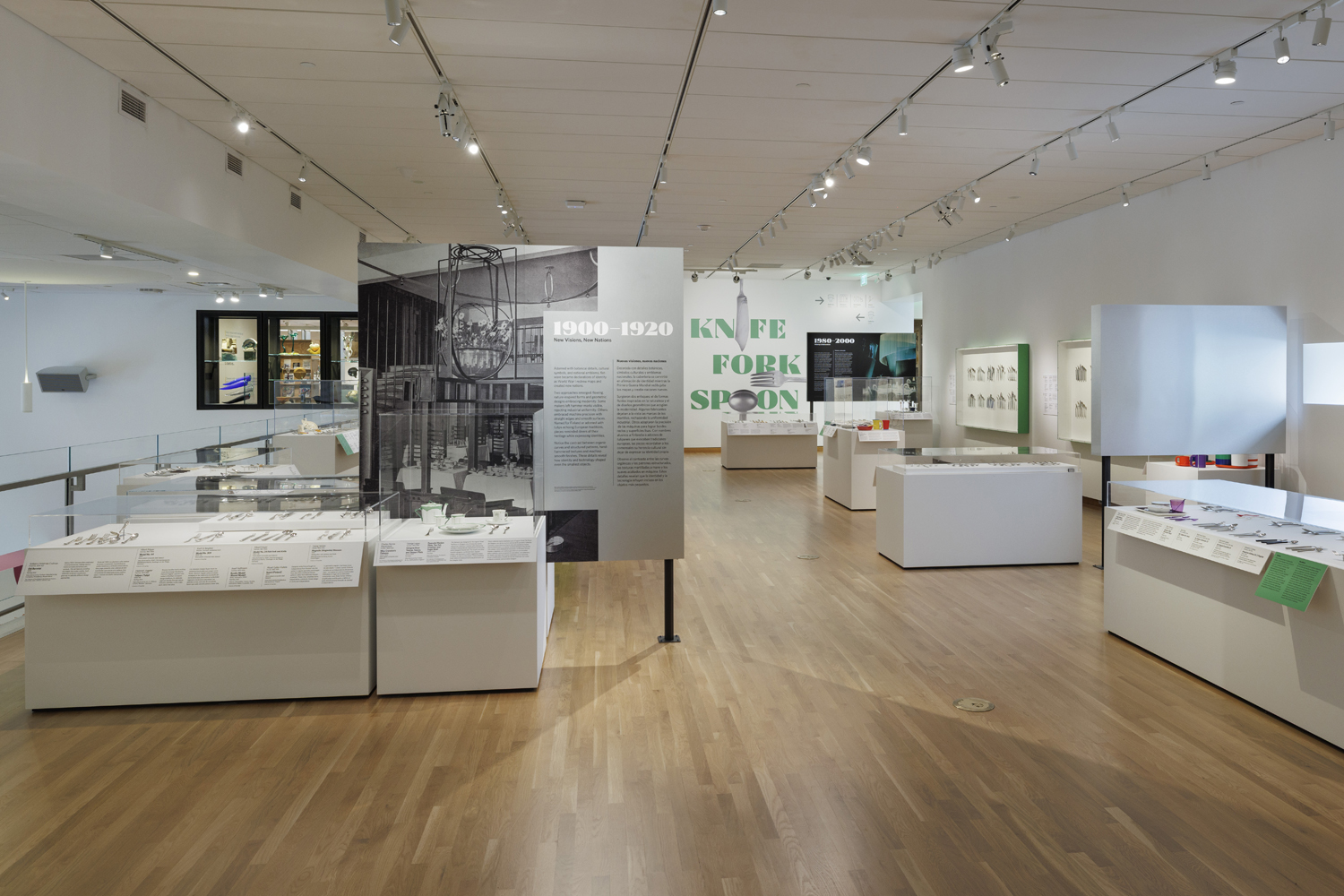
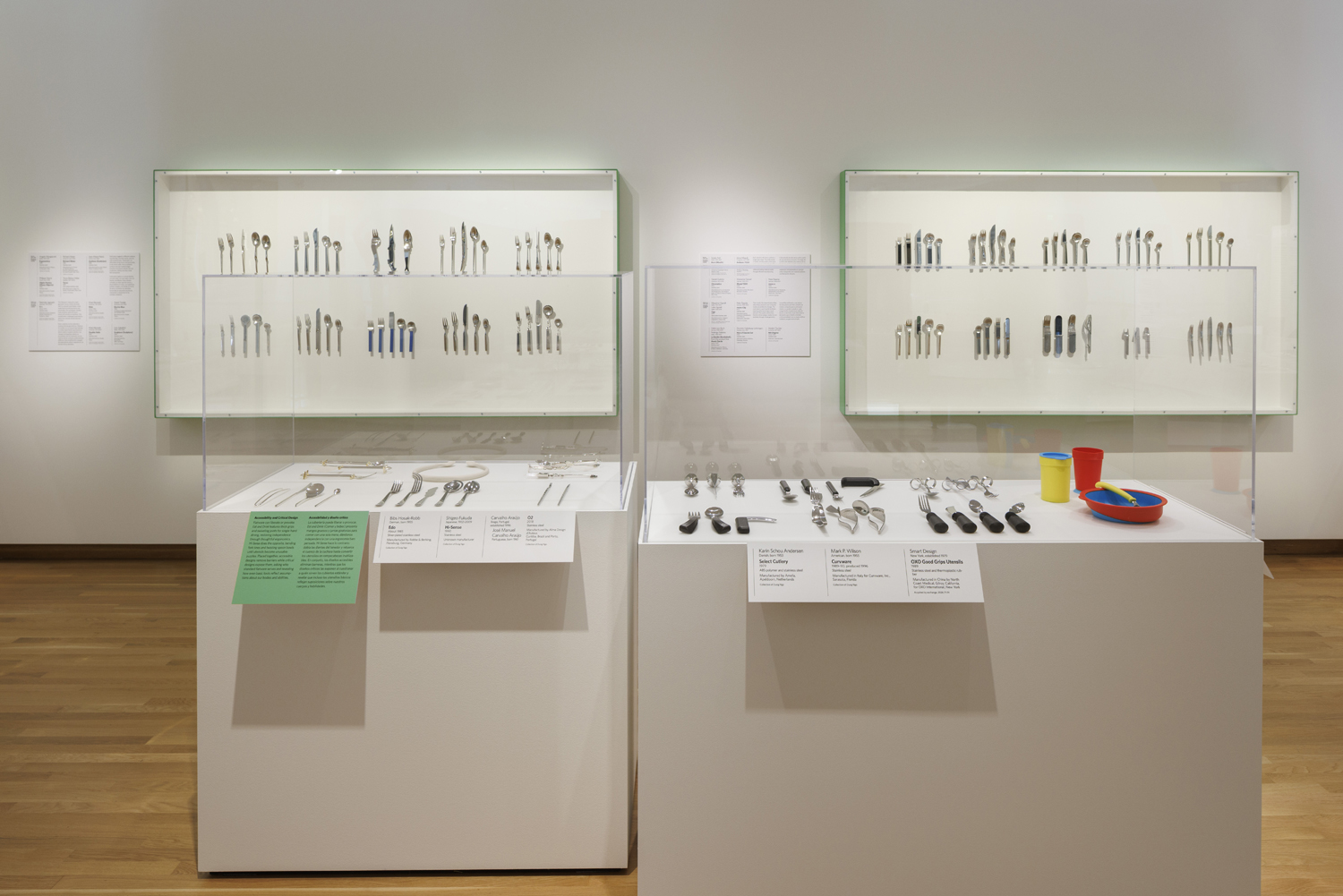
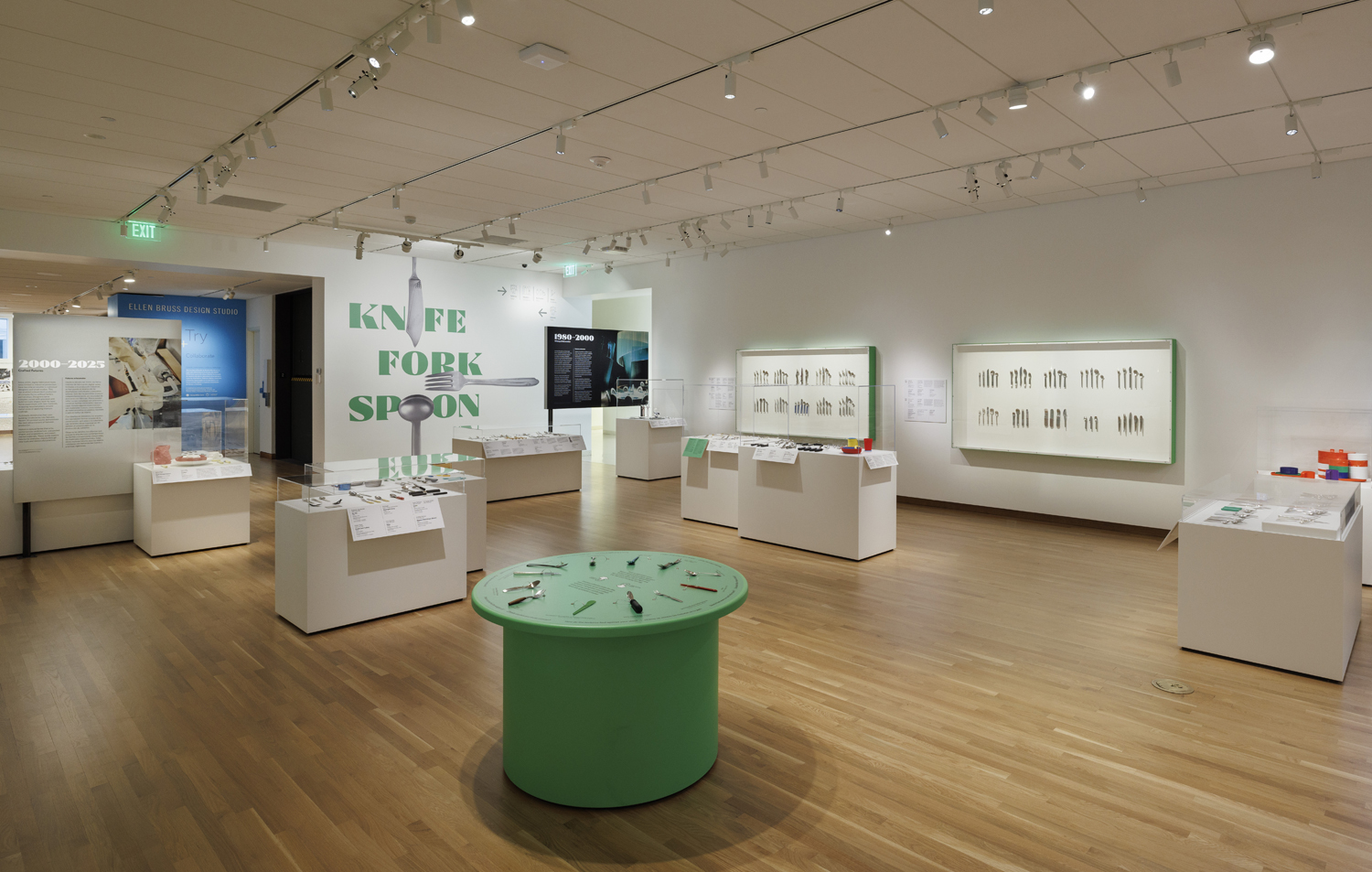
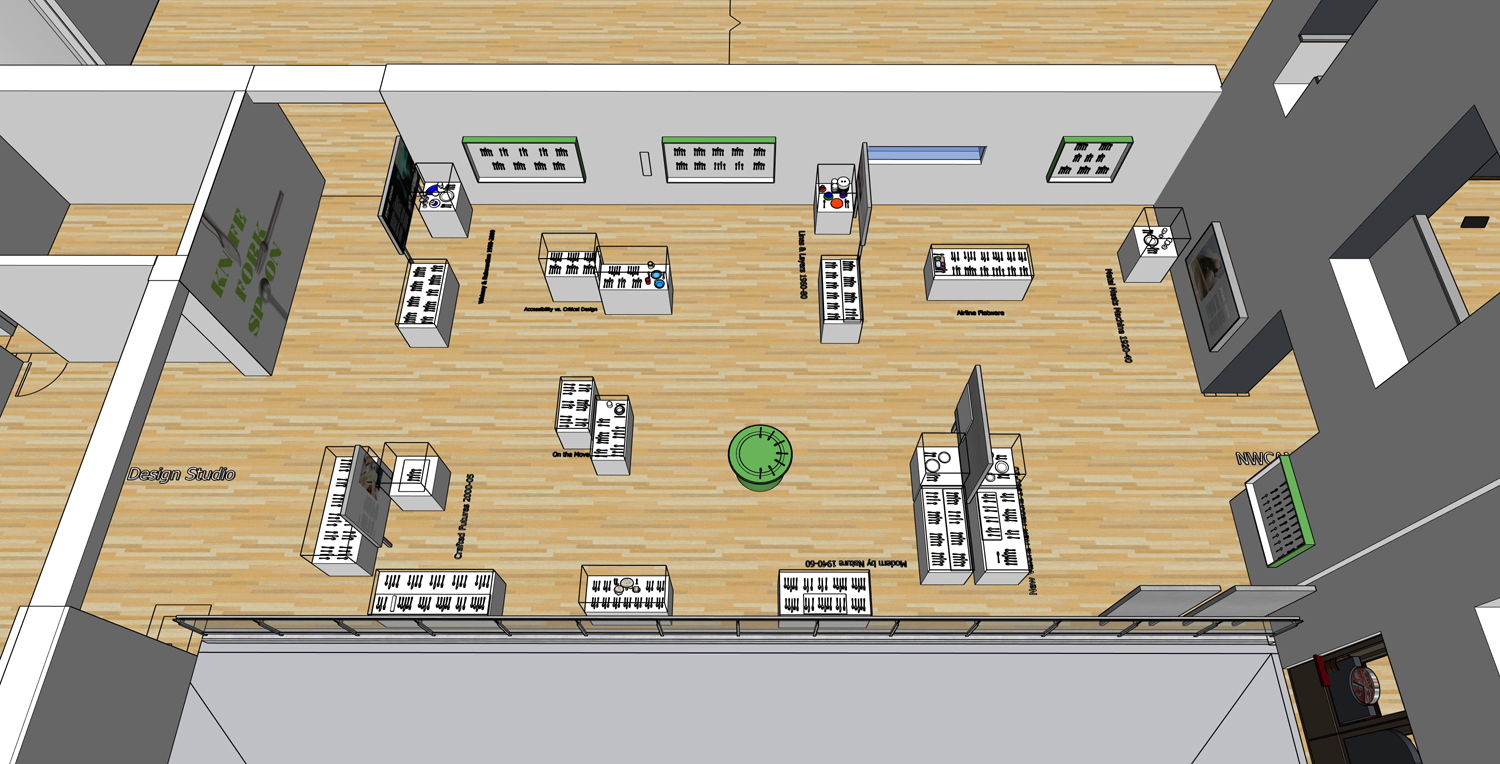
Eating utensils are a part of our everyday lives, but their design and function often go unconsidered. Knife Fork Spoon examines design trends from around 1900 to today, while spotlighting special use cases like utensils designed for portability or accessibility.
The design repurposed and reconfigured a selection of elements from this gallery’s previous exhibition to remain as sustainable as possible. However, we needed to develop a new system of cases and risers to best present the thematic sections of the show. In addition, we created a hands-on element that invited visitors to interact with a selection of utensils from the exhibition.
Photos by Eric Stephenson, rendering by Eric Berkemeyer, images © Denver Art Museum